



 Menu
Menu


Trash to treasure: Packaging that makes recycling simple
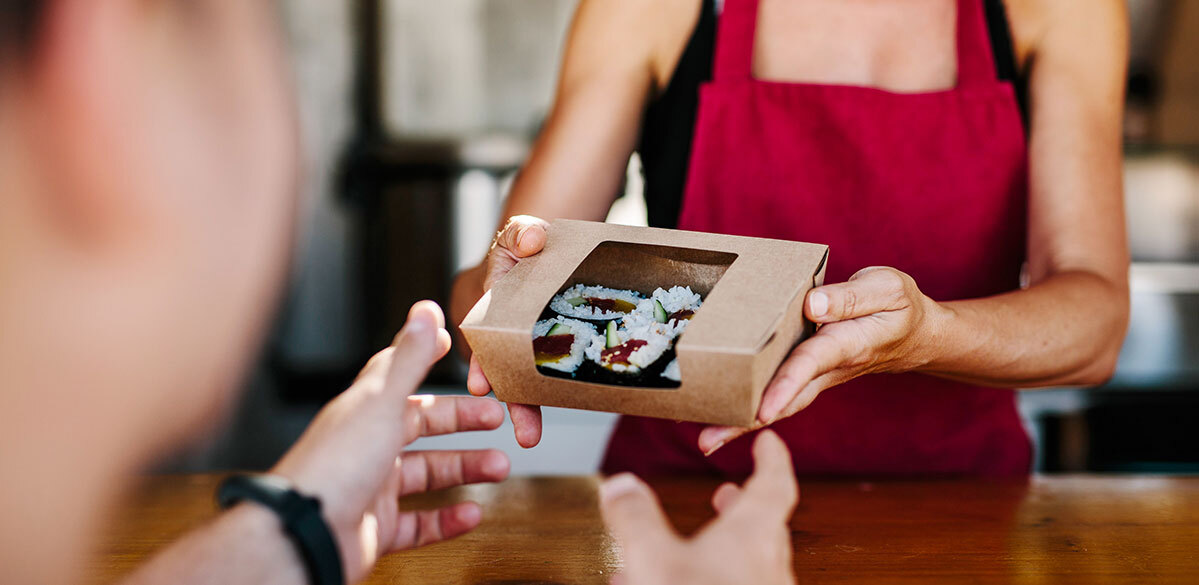
Suppliers have a wealth of knowledge on the type of food packaging that will comply with the government’s recent Simpler Recycling regulations
When technology supplier Ricoh wanted to ensure its food packaging waste was ready for England’s recently introduced Simpler Recycling rules, it turned to compostable catering supplier Vegware.
“Its Telford site wanted to look at how it could comply with the new legislation – and we were in a position to make the introduction to the waste collector and the composting facility solution that we have in that area,” says head of environmental Eilidh O’Connor.
The knowledge that Vegware and other firms like it has built up over the past two decades has never been more valuable. The new legislation, which aims to improve recycling rates by standardising and streamlining collections, requires that businesses with more than 10 employees separate dry recyclable waste, food waste and non-recyclable waste before collection (smaller companies have until the end of March 2027).
Plenty of companies were well ahead of the government in terms of recycling practice, but others have been caught on the hop. So how can operators ensure they stay on the right side of the new law, and what are the key products to help them do that?
Waste not, want not
Vegware, founded in 2006, produces plant-based and compostable catering disposables – but as Ricoh found out, its involvement in the overall recycling process means it also has all-round knowledge. The supplier’s advice helped Ricoh to make some fundamental changes to how it does things, O’Connor says.
“The business did have to make quite a lot of changes, such as putting in front of house food waste bins,” she says. “Food waste was a key thing for Ricoh – and when the legislation launched, one of our waste consultants went down and did an engagement day, explaining how it would all work.”
A relatively unusual aspect of Ricoh’s new recycling approach is that it was able, thanks to advice from Vegware, to combine two waste streams into one, using a local firm, Cartwright’s Waste Disposal. Defra has been very clear that compostable packaging cannot go into food waste – the majority of the latter goes into anaerobic digestion, while packaging goes to in-vessel or contained composting – but Vegware helped Ricoh come up with a workable solution.
“In the Midlands, we have a composting route where all food waste can go together into an in-vessel composting facility,” O’Connor says. “It’s great to show how it can all go together, if it’s going to the right process.”
O’Connor says most companies they work with were well-prepared for the new regulations. “A lot of the contract caterers we work with are – by the very nature of being interested in and buying our products – quite sustainably minded already,” she says. “People are thinking a lot more about food waste.”
Eco options
There are now numerous products on the market for companies that want to reduce their environmental impact, from Vegware’s double-wall cups and ‘bon appetit’ bowls to the paper cutlery made by WSCS Global, which combines multiple layers of paper for strength and is precision-cut “for a smooth and comfortable eating experience every time”.
“We know consumers are looking for more responsible alternatives to plastic, but now we’re able to offer this without impacting their enjoyment of the dining experience,” says WSCS managing director Ian Brett.
Planglow, meanwhile, has developed Back to Nature, its first plant-based recyclable packaging and labelling collection, in response to the legislation. “We have also expanded our award-winning Street Food range,” says Rachael Sawtell, marketing director. The range encompasses 11 items for hot and cold foods, including a chip cup suitable for wraps, kebabs, chicken bites and other fried foods. Products within the range can be recycled or composted (home and industrial) post-use.
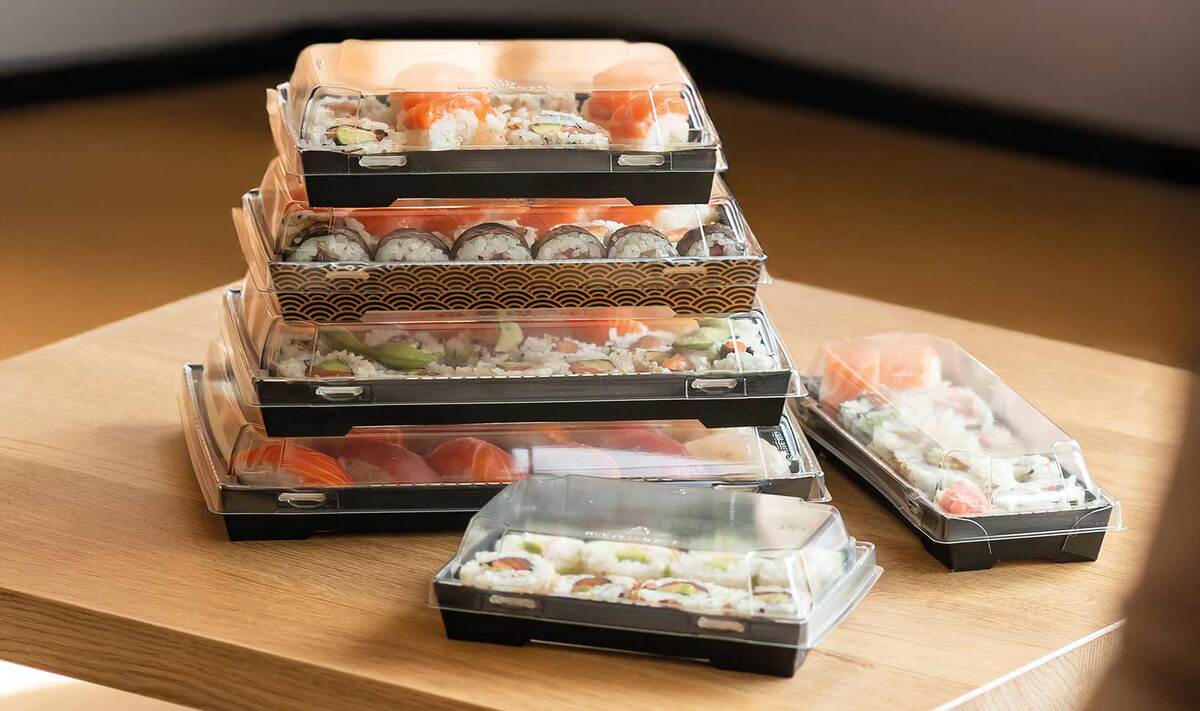
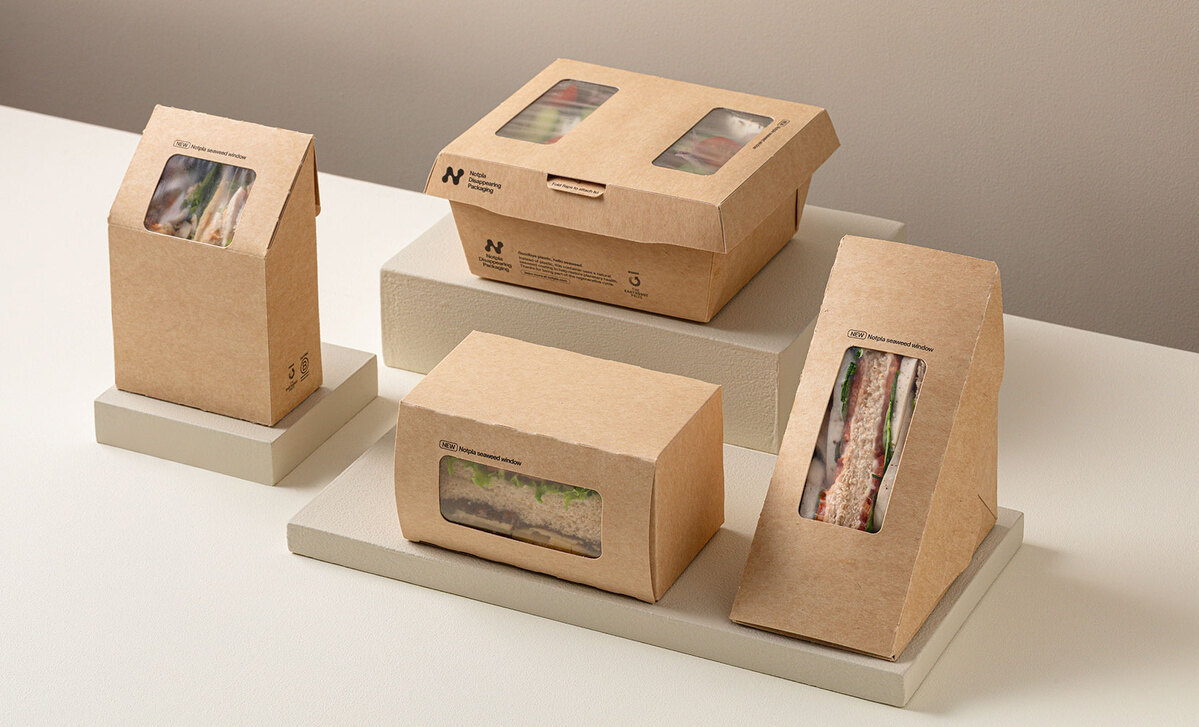
One issue with recycling is when materials are layered, coated or contain hidden plastics that disrupt recycling systems. Notpla has developed a coating made from seaweed that replaces synthetic liners on Forest Stewardship Council-certified board. It’s fully recyclable in existing paper streams and free from plastic and perfluoroalkyl and polyfluoroalkyl substances (PFAS).
“Our new SeaView range, which features a transparent window also made from seaweed, recently scored 90 out of 100 in an independent Recycling Evaluation Protocol – a ‘best in class’ result for compatibility with conventional paper mills,” says Hoa Doan, head of impact and sustainability. “Our wider range, without windows, is also fully recyclable within the current UK and EU standards.”
Bidfood has partnered with Notpla. “It offers several key benefits [compared to similar products],” says Jay Browne, head of catering supplies at Bidfood. “That includes consumer appeal: with 71% of consumers agreeing that they try to lead an environmentally-friendly lifestyle, using Notpla can enhance a brand’s sustainability credentials, appealing to environmentally-aware customers and helping businesses meet sustainability goals.”
Preparing for the EU PFAS ban
EU standards remain significant despite Britain’s exit – and companies like Sabert are ensuring their products conform to upcoming legislation. “We have already commenced the process of transitioning key ranges to solutions with ‘no intentionally added PFAS’, addressing both environmental and regulatory needs, considering the EU’s upcoming August 2026 restrictions,” says Alex Noake, senior vice-president and managing director of Sabert Corporation Europe.
“While the UK has not yet confirmed whether it will align with the EU’s PFAS ban, Sabert is choosing to move ahead regardless, ensuring that our customers are future-ready, risk-resilient and ahead of the curve.”
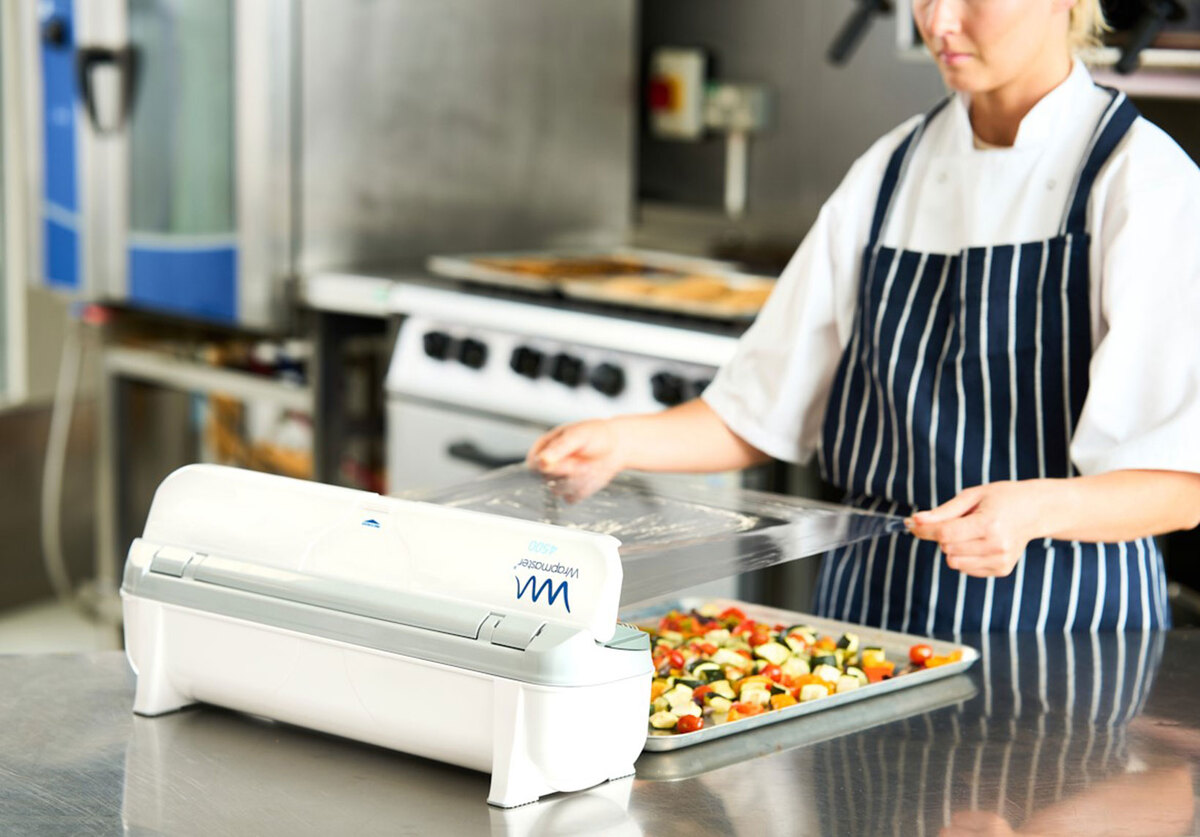
New products are emerging by the day. Fiesta, for example, has just launched a collection of compostable greaseproof sheets and burger wraps in plain, dotted and gingham designs, pre-cut in a variety of sizes for ease and oven safe up to 220°C for 20 minutes. Wrapmaster also has a variety of eco-friendly options, including Wrapmaster recyclable PE cling film, compostable cling film, compostable baking parchment and 100% recyclable aluminium foil.
“In a restaurant trial, Wrapmaster users were able to reduce their use of food wrap and aid efficiency as the system delivers a perfect cut every time,” says Libby Coe, sales and sustainability manager at Cofresco Foodservice. “Less wrap means less waste and lower costs.”
Suppliers
Bidfood www.bidfood.co.uk
Fiesta www.nisbets.co.uk/fiesta-spotlight
Notpla www.notpla.com
Planglow planglow.com
Sabert sabert.com
Vegware www.vegware.com
Wrapmaster www.wrapmaster.global
WSCS Global www.wscs.global
Photo: funkyfrogstock/Shutterstock
Related content









More from The Caterer


Most Popular




The Caterer People Summit 2026
 Thu May 14, 2026
 The Line, London
The Acorn Awards 2026
Sun Jun 7, 2026
The Cateys 2026
Tue Jul 7, 2026
Natural & Organic Food Show
Wed Sep 16, 2026ExCel London


The Caterer provides trusted hospitality news, analysis and trends for restaurants, hotels and catering professionals.

Jacobs Media is a company registered in England and Wales, company number 08713328. 3rd Floor, 52 Grosvenor Gardens, London SW1W 0AU.
© 2026 Jacobs Media
