



 Menu
Menu


February sees hospitality insolvencies rise, with more pain expected
February saw 272 accommodation and food service businesses enter insolvency
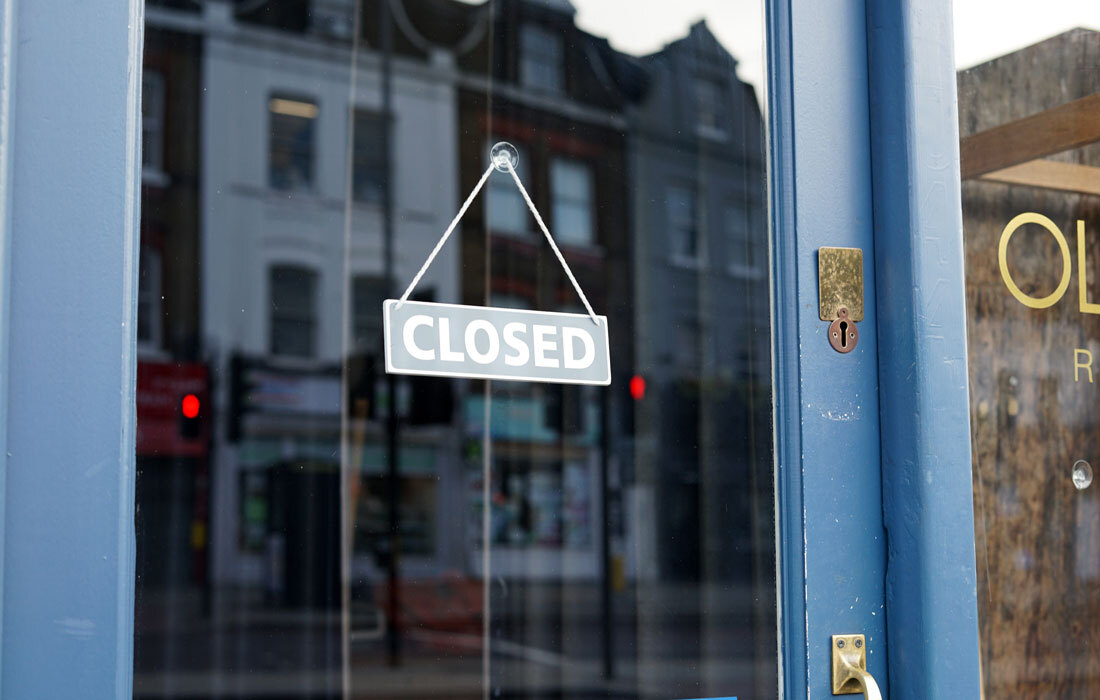
The number of hospitality businesses entering insolvency jumped 22% between January and February, with experts warning further closures are expected.
February saw 272 accommodation and food service businesses enter insolvency, according to government figures.
The figure is an increase on the 222 seen in January but in line with those seen in the same month in 2025.
It is significantly lower than the 327 insolvencies recorded in July 2025, which was the highest monthly figure since November 2024.
Saxon Moseley, partner and head of leisure and hospitality at audit, tax and consulting firm RSM UK, said the increase was unsurprising and warned that further closures are expected.
He explained: “Hospitality insolvencies are back on the rise, which is unsurprising given the burdensome tax regime faced by operators combined with subdued consumer demand, making it increasingly challenging to stay afloat. While bigger operators tend to be better insulated due to having stronger balance sheets and economies of scale to fall back on, it’s the smaller, independent businesses that are struggling the most.
“Unfortunately, the outlook for the sector isn’t much rosier. The jump in insolvencies came even before the Middle East conflict, which if it continues, could hit consumer sentiment and discretionary incomes, combined with an expected rise in inflation and energy costs, resulting in a double whammy for the hospitality industry. Operators are already having to contend with the Employment Rights Act, and rise in National Minimum Wage and business rates, meaning some have, and others will, decide it’s no longer viable to keep their doors open.”
Gordon Thomson, restructuring partner at RSM UK, added: “Relatively weak sales in the hospitality industry along with relentless cost pressures have required some operators to explore restructuring options to optimise their trading position and to reduce their cost base.
"It’s encouraging to see businesses taking action rather than burying their heads in the sand, but this highlights just how challenging it is to operate in the current environment. As pressures in the sector intensify in the coming months, we expect to see more operators having to consider restructuring options in order to survive.”








More from The Caterer
Most Popular



The Caterer People Summit 2026
 Thu May 14, 2026
 The Line, London
The Acorn Awards 2026
Sun Jun 7, 2026
The Cateys 2026
Tue Jul 7, 2026
Natural & Organic Food Show
Wed Sep 16, 2026ExCel London


The Caterer provides trusted hospitality news, analysis and trends for restaurants, hotels and catering professionals.

Jacobs Media is a company registered in England and Wales, company number 08713328. 3rd Floor, 52 Grosvenor Gardens, London SW1W 0AU.
© 2026 Jacobs Media
