



 Menu
Menu


Choosing the right prime cooking kit for your professional kitchen
How to choose the most appropriate cooking appliances for your venue
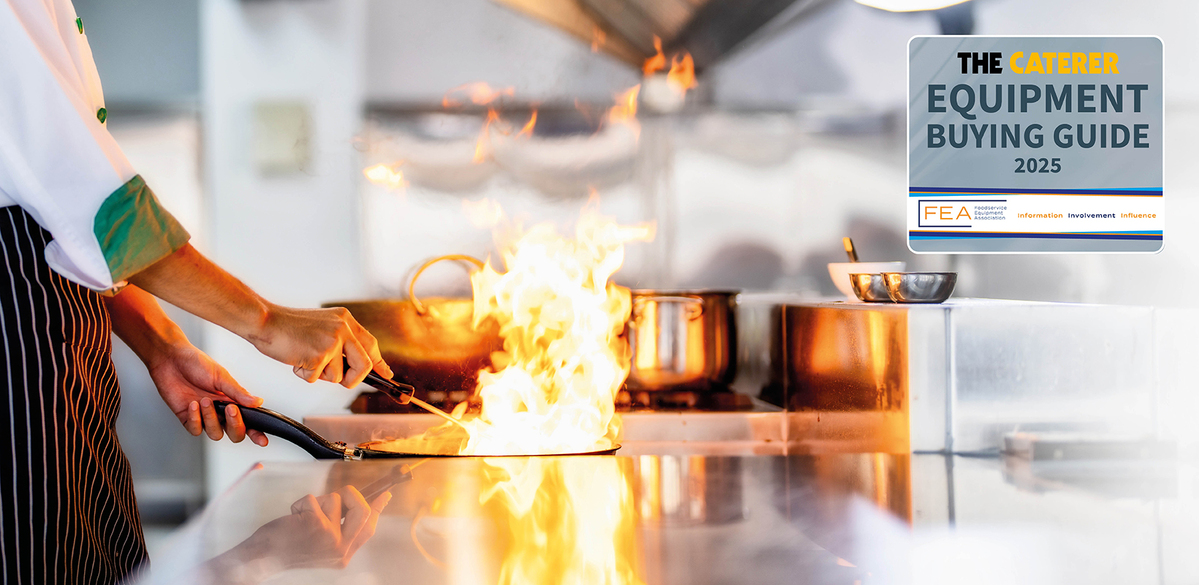
Prime cooking equipment is the heart of every commercial kitchen, and so getting the purchasing decision right for this appliance category is crucial.
First and foremost, the kit must be tailored to your operation. So before you make the final decision, ask yourself what kind of dishes you are looking to serve. Is this likely to change? And how often will you need the equipment? If you’re only open over lunchtimes and expecting to serve light meals, you’ll need far fewer functions and capacity than a site delivering all-day mass catering. Expert equipment sellers should be able to advise whether lighter or heavier duty equipment, from salamander grills to full cooking suites, fits your needs best.
Making sure your equipment isn’t over-specified will both ensure that you maximise space in often compact kitchens, as well as optimising energy usage and therefore running costs. Multifunctional equipment is often useful here, but if you only need one or two cooking functions out of a plethora of options on a high end cutting edge appliance, it might be more appropriate to opt for a more basic model.
Plus, if you’re looking to go down a live fire cooking or wood-fired pizza oven route, check whether your venue has appropriate ventilation capacity.
The FEA’s advice
Your prime cooking equipment is the heart of your kitchen operation. It’s doing most of the actual cooking, but that can mean different things depending on your menu. It most often means an oven, but there are other businesses where a griddle or deep fat fryer are the most used equipment. Whichever you favour, manufacturers continue to invest in researching ways to reduce resource consumption to allow operators to create an efficient, sustainable kitchen.
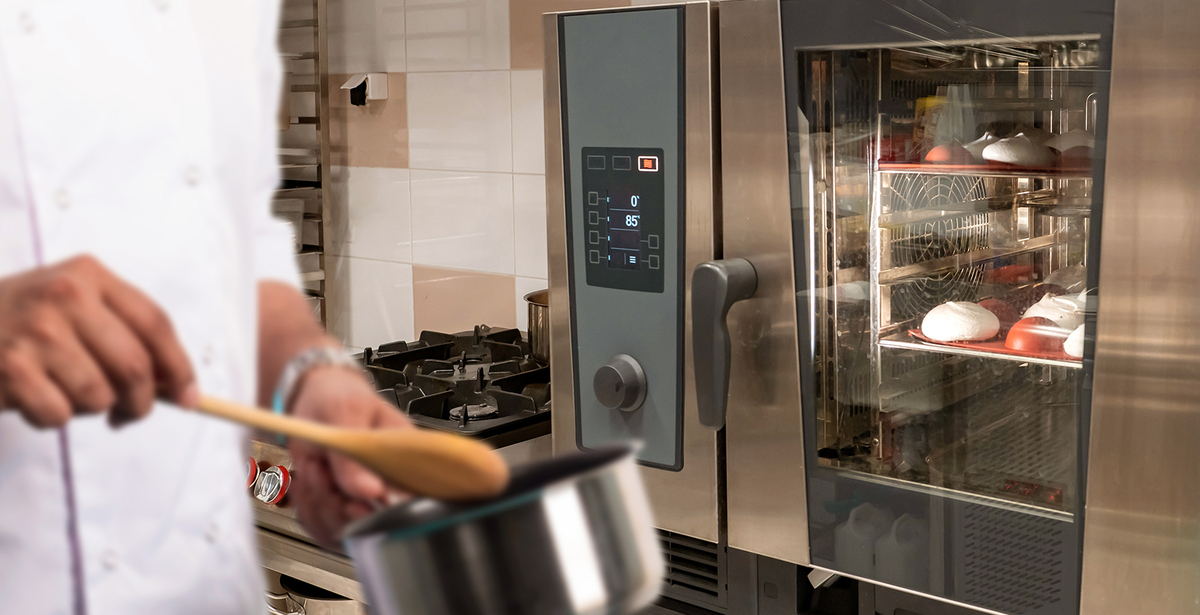
For example, increasing numbers of catering sectors now rely on appliances like combi-ovens for the majority of their cooking. Not only do they replace conventional ovens but the precise control over cooking conditions they offer lets them replace other appliances such as steamers, saucepans and fryers to name just a few.
While there are some businesses where a combi-oven could replace every cooking appliance in the kitchen, the majority will still want to keep at least one alternative cooking method, even if it is just a burner. This allows further efficiencies by choosing an electric or induction-based option instead of a gas-powered burner. Once you have chosen the main focus of your cooking, the most effective and efficient equipment for meeting those needs should be relatively simple to identify, as well as any other ancillary pieces of equipment you need to support it.
The ability of combi-ovens to cook batches of the same food to a consistent quality time after time means that you can also integrate methods like cook-chill, making an easier way to offer more diverse menus by pre-preparing batches of meals without needing additional cooking capacity.
Click here to meet the FEA’s members
The FEA Guide 2025
- Dynamic displays: Optimise your food’s visual appeal
- Rapid cooking appliances: The simple, swift solution
- Combi-ovens: Multifunctional cooking equipment to save time and space
- Choosing the right prime cooking kit for your professional kitchen
- The secret to Hobart’s success? Customer-back innovation
- How to choose the best commercial refrigerator
- How to choose a warewasher with cleaning power
- What to really look for when equipping the dishwash area







More from The Caterer


Most Popular






The Caterer People Summit 2026
 Thu May 14, 2026
 The Line, London
The Acorn Awards 2026
Sun Jun 7, 2026
The Cateys 2026
Tue Jul 7, 2026
Natural & Organic Food Show
Wed Sep 16, 2026ExCel London


The Caterer provides trusted hospitality news, analysis and trends for restaurants, hotels and catering professionals.

Jacobs Media is a company registered in England and Wales, company number 08713328. 3rd Floor, 52 Grosvenor Gardens, London SW1W 0AU.
© 2026 Jacobs Media
