



 Menu
Menu


Combi-ovens: Multifunctional cooking equipment to save time and space
What to consider when you’re looking for a combi-oven
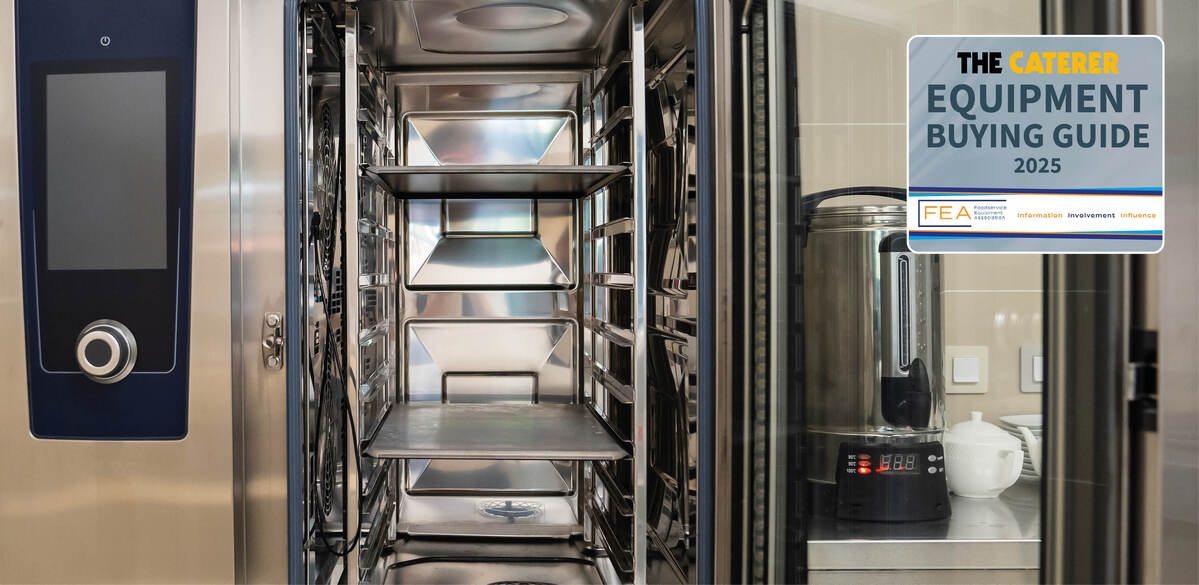
From combi-ovens to bratt pans, multifunctional professional cooking appliances are the ‘do-alls’ of commercial kitchens. They can perform any type of cooking process a hospitality venue would require, and in a short timeframe.
Consider which functions you’ll need before embarking on your purchasing decision though, as if you require a more niche process such as barbecuing or grilling, combis can offer a pretty good approximation, such as using smoker or grill plate accessories, but you would have to bear in mind that the end product may differ a little to results achieved through traditional specialised equipment.
For those with a little more leeway on budget, some top of the range combis are now equipped with AI which can be trained to recognise particular food products and then automatically start a cooking process once a user shuts the oven door, without human intervention. This can free up more skilled chefs to concentrate on intricate food preparation or cooking, or fault-proof processes for kitchen staff nearer the beginner end of the scale.
You’ll also need to analyse your output requirements, with anything from three- to 20-grid models usually on offer. Review how much food will you need to serve at any given time before you finally plump for a particular model.
The FEA’s advice
One of the most significant changes in the commercial kitchen over recent years has been the rise of multifunctional cooking equipment. Of course, the classic range was (and is) multifunctional. But we’re talking here about the appliances that exploit advanced technology to improve the efficiency of the operation. The combi-steamer or combi-oven, invented back in the 1970s, is now a common sight in every type of kitchen, from the corner café to the hospital production unit. Once clunky and complicated, the modern, sleek combi-oven typifies how multifunctional appliances are now a key part of kitchen efficiency.
Multifunctional equipment can enhance productivity, helping staff to produce more food, more quickly, and to a high level of consistent quality. With modern automatic multistep programs, staff can often produce these results even if they have limited skills – all they have to do is press the relevant graphic and load up. No need to even monitor the food, just respond when the appliance tells you to.
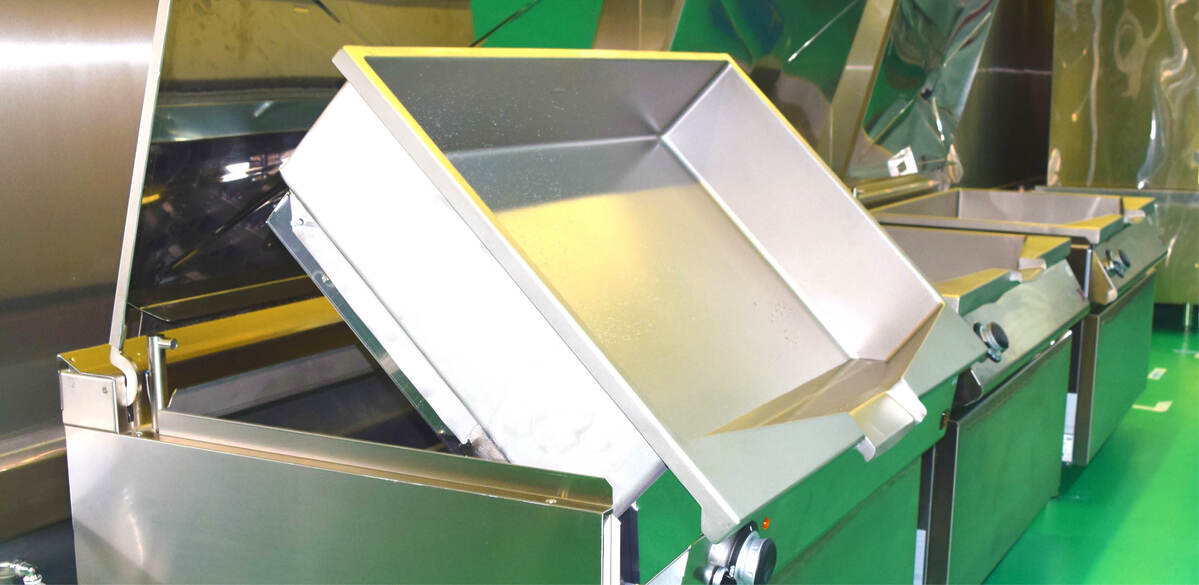
Another key efficiency bonus with multifunctional appliances is that they can replace several individual pieces of the cookline, so they can save space. For example, an advanced bratt pan can roast, fry, boil, griddle and more, in a fraction of the footprint that separate appliances would take up. We all know about the squeeze on kitchen space – FEA calls it the 20:20 vision, where operators expect 20% more productivity from 20% less space. Multifunctional equipment is helping to meet the challenge, enhancing kitchen space efficiency.
When it comes to energy efficiency, multifunctional appliances score well. Not only because manufacturers are developing systems that minimise consumption, but also because they are a single appliance compared to several – which also has repercussions in terms of reducing the load on the extraction system.
Click here to meet the FEA’s members
The FEA Guide 2025
- Dynamic displays: Optimise your food’s visual appeal
- Rapid cooking appliances: The simple, swift solution
- Combi-ovens: Multifunctional cooking equipment to save time and space
- Choosing the right prime cooking kit for your professional kitchen
- The secret to Hobart’s success? Customer-back innovation
- How to choose the best commercial refrigerator
- How to choose a warewasher with cleaning power
- What to really look for when equipping the dishwash area








More from The Caterer


Most Popular





The Caterer People Summit 2026
 Thu May 14, 2026
 The Line, London
The Acorn Awards 2026
Sun Jun 7, 2026
The Cateys 2026
Tue Jul 7, 2026
Natural & Organic Food Show
Wed Sep 16, 2026ExCel London


The Caterer provides trusted hospitality news, analysis and trends for restaurants, hotels and catering professionals.

Jacobs Media is a company registered in England and Wales, company number 08713328. 3rd Floor, 52 Grosvenor Gardens, London SW1W 0AU.
© 2026 Jacobs Media
