



 Menu
Menu


How to choose the best commercial refrigerator
From energy labelling to self-closing doors, here’s how to pick the right fridge for your food business
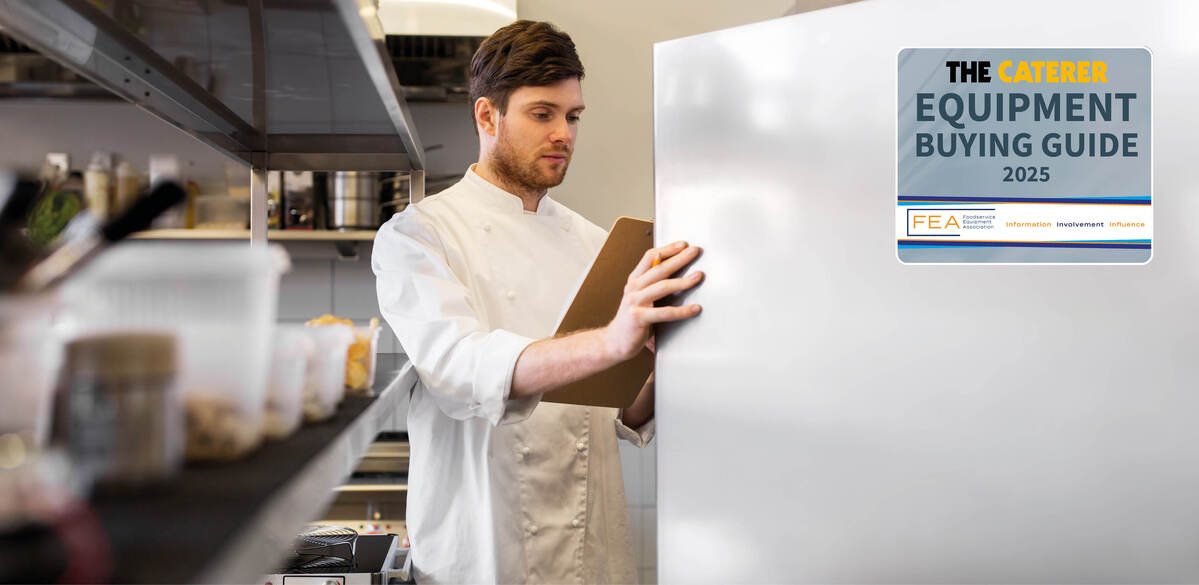
The world of commercial refrigerators can be overwhelming, but with a little forethought, you can buy the most appropriate appliances for your venue. If you need a large chilling capacity, plump for upright cabinets – though if space is at a premium there are a number of slimline options which maximise the available area.
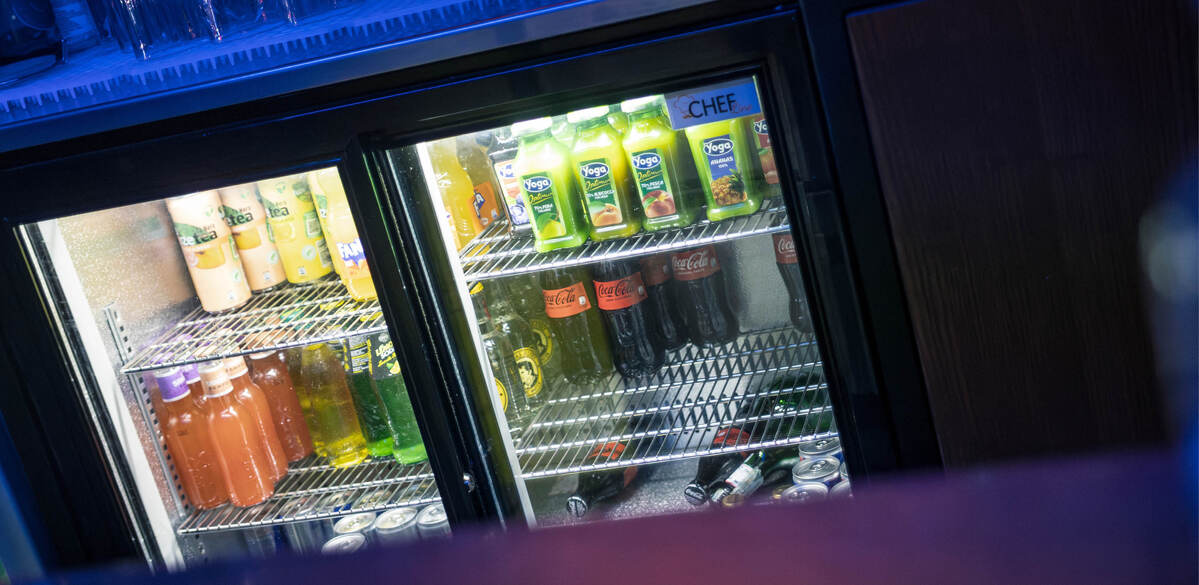
Smaller requirements can be met with under-counter models, and to optimise the space in these cases, some appliances can double up as preparation counters themselves, with refrigerated drawers. For venues like pubs and bars which require front of house drinks refrigeration, bottle coolers are your best bet, while grab and go sites may want reach-in chilled display cabinets for speedy service.
It’s relatively easy nowadays to see which are the most efficient cabinets, as Minimum Energy Performance Standards (MEPS) energy labelling means that all commercial refrigerators now have to display an energy rating of A to G, where A is the most efficient and G the least. The energy label will also depict the net capacity for chilling or freezing, as well as the climate class, which indicates the maximum ambient temperature the cabinet can operate in. The label will display the expected energy consumption per year, too.
The FEA’s advice
To get technical for a moment, refrigeration is at its most efficient when the thermal envelope is stable. Or to put it simply, when the door is closed. Every time the door opens, the internal temperature changes slightly, and the system needs to consume more electricity to return to the optimum conditions. A key part of maintaining these conditions is ensuring staff are suitably trained and understand the importance of keeping the door closed, even for short periods when using the fridge.
But it’s also possible to choose equipment with the right features that can help to reduce mis-use and reinforce training in a natural way. These could include systems with self-closing doors, or alarms that sound when the temperature begins to rise to alert users to close the door. Most equipment released today features data capture and connectivity systems for recording HACCP data, and this can be used to monitor the equipment live, alerting operators if temperature rises too high or if it detects issues with the components that could indicate a failure.
Features like these are a key part of ensuring refrigeration is being operated as efficiently as it can be, and used in conjunction with staff training and a regular schedule of cleaning and maintenance can help to guarantee its maximum working life and food safety.
It’s also a good idea to look for refrigeration with features designed to make cleaning and maintenance as easy as possible, too. This could include front accessible condensers, positioning of vents that allow for easy access or even something as simple as castor wheels for easy repositioning during cleaning.
Click here to meet the FEA’s members
The FEA Guide 2025
- Dynamic displays: Optimise your food’s visual appeal
- Rapid cooking appliances: The simple, swift solution
- Combi-ovens: Multifunctional cooking equipment to save time and space
- Choosing the right prime cooking kit for your professional kitchen
- The secret to Hobart’s success? Customer-back innovation
- How to choose the best commercial refrigerator
- How to choose a warewasher with cleaning power
- What to really look for when equipping the dishwash area







More from The Caterer


Most Popular




The Caterer People Summit 2026
 Thu May 14, 2026
 The Line, London
The Acorn Awards 2026
Sun Jun 7, 2026
The Cateys 2026
Tue Jul 7, 2026
Natural & Organic Food Show
Wed Sep 16, 2026ExCel London


The Caterer provides trusted hospitality news, analysis and trends for restaurants, hotels and catering professionals.

Jacobs Media is a company registered in England and Wales, company number 08713328. 3rd Floor, 52 Grosvenor Gardens, London SW1W 0AU.
© 2026 Jacobs Media
