


 Menu
Menu


How to choose a warewasher with cleaning power
Pick your ideal dish or glasswasher with this essential guide
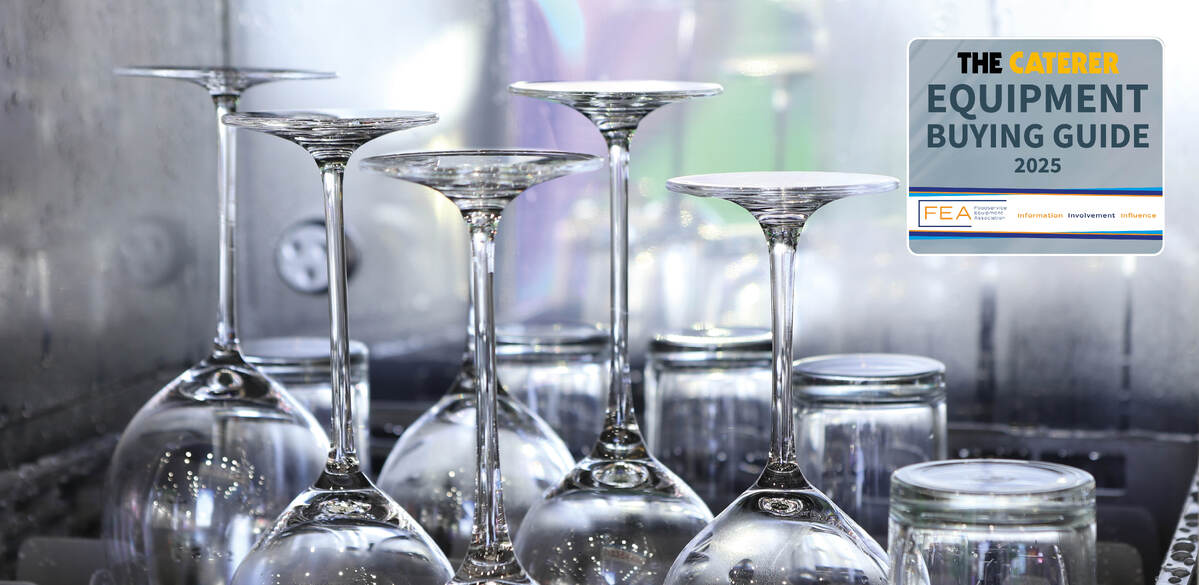
Pretty much every hospitality venue will require the investment of a warewashing appliance, unless you’re prepared to use up hours of staff resources handwashing crockery, glasses and cookware.
Calculating your usage requirements will be a primary driver in your purchasing decision. Banqueting and bulk catering sites, for example, will need to allocate a large space for a conveyor/rack warewasher. Slightly smaller loads would make a passthrough or hood-type model more appropriate, while under-counter types are generally the most compact, for lower usage levels.
All professional warewashers should be able to clean kitchen ware in a matter of minutes, but are usually specialised to a particular kind. To prevent over-specification, wet-led venues should usually only need glasswashers, but any food sites would require dishwashers. For those preparing more intricate meals freshly onsite, a potwasher could be the way to go.
You’ll also have to determine whether you need a pre-rinse function, which at its simplest is embodied in a spray tap. However, some higher-end warewashers have sophisticated filtration which can deal with a little soiling left on wares and reduce the time and effort needed to pre-rinse. Furthermore, there are potwasher models which use granules in their washes, minimising pre-rinsing and cutting water usage.
The FEA’s advice
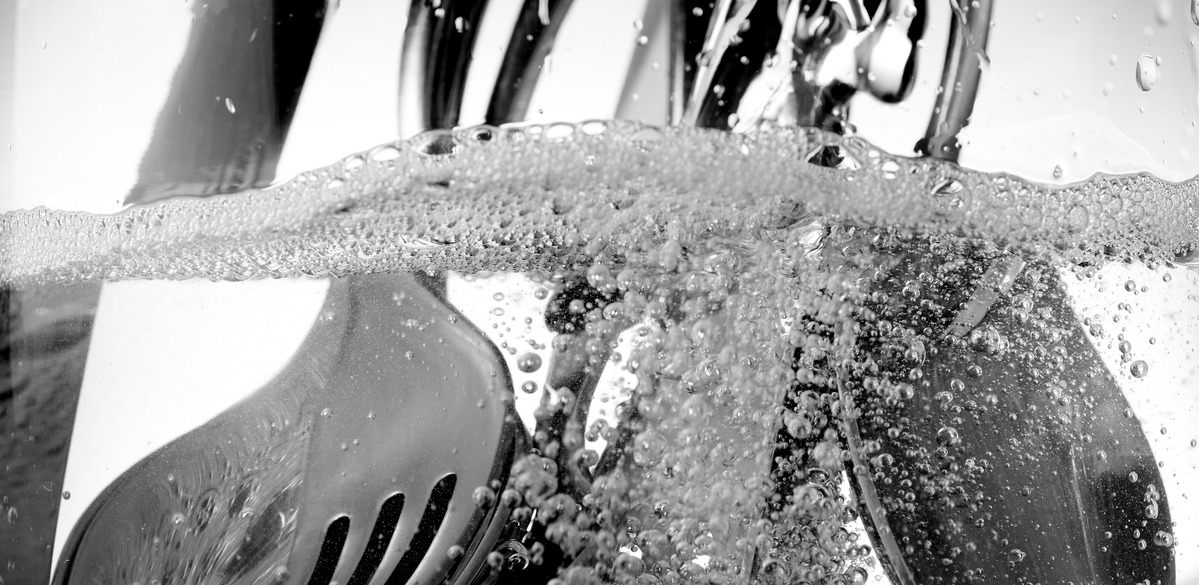
Warewashers don’t just consume power, they use water and chemicals too. When it comes to equipment efficiency, the ideal is a machine that saves on all three. Water is key, since most of the energy used in a warewasher is for heating the water – so less water equals less energy consumption, and less water also means less chemicals are consumed. It’s a win-win-win.
There are a great many technologies that can reduce consumption of water and power, ranging from sophisticated filtrations systems to advanced heat pumps and heat exchangers.
Cleaning results are critical to kitchen efficiency – rewashing or hand polishing waste staff time and are inefficient. The correct water treatment system is important here – reverse osmosis ones are widely regarded as the best, though they also consume more water than other systems, so you may need to make a balanced decision.
Since Brexit and Covid there has been an increase in demand for utensil or pot washers. It’s been caused by a combination of staff shortages and the increasing focus on hygiene. Previously, many sites would wash pots by hand – a laborious, inefficient and time consuming chore. A machine utensil washer will do the job more quickly and hygienically – and these days there are compact models, so even small kitchens can use them.
Looking after your warewasher is critical to avoiding breakdown. Many modern machines have visual guides and ultra-simple controls, making it much easier for staff to operate them correctly. Similarly, they have auto diagnostics to warn if things go wrong. Connectivity can help here, too, by allowing service providers to monitor operation – they can even spot potential issues before they become a problem, and so fix the machine before it even breaks down. Now that’s kitchen efficiency!
Click here to meet the FEA’s members
The FEA Guide 2025
- Dynamic displays: Optimise your food’s visual appeal
- Rapid cooking appliances: The simple, swift solution
- Combi-ovens: Multifunctional cooking equipment to save time and space
- Choosing the right prime cooking kit for your professional kitchen
- The secret to Hobart’s success? Customer-back innovation
- How to choose the best commercial refrigerator
- How to choose a warewasher with cleaning power
- What to really look for when equipping the dishwash area








More from The Caterer


Most Popular






The Caterer People Summit 2026
 Thu May 14, 2026
 The Line, London
The Acorn Awards 2026
Sun Jun 7, 2026
The Cateys 2026
Tue Jul 7, 2026
Natural & Organic Food Show
Wed Sep 16, 2026ExCel London


The Caterer provides trusted hospitality news, analysis and trends for restaurants, hotels and catering professionals.

Jacobs Media is a company registered in England and Wales, company number 08713328. 3rd Floor, 52 Grosvenor Gardens, London SW1W 0AU.
© 2026 Jacobs Media
