



 Menu
Menu


Make AI another member of the team

Automate the everyday tasks so staff can offer the human touch
From tackling tedious admin to shortening queues, AI is best put to work in situations where the outcomes are clear and the return on investment (ROI) is measurable.
“AI is not just another piece of technology. It is best viewed as a new team member. You would not hire an employee without a clear job description, training plan and ongoing oversight, so apply the same rigour to AI adoption,” says Custódio Barreiros, founder of technology consultancy EIP MGT.
One company that appears to have followed Barreiros’ advice to the letter is hotel brand Citizen M, which has a digital employee called Robbie who works around the clock, overseeing most of the company’s finances.
Robbie already processes nearly 60% of the company’s total invoice volume, with a goal to reach 80%, according to Citizen M’s chief finance officer Hendrik Jan Roel.
Robbie handles routine tasks with precision and delegates complex issues that require human judgment. The digital employee has replaced two transaction-based positions.
Peter Russell, chief technology officer at the Russell Partnership, says: “There are consistent and cumulative gains by automating financial reconciliation, assessing department cross-charges and matching invoices to purchase orders. This delivers clean, auditable wins that free up team resources and profitability. These back-of-house use cases for AI usually pay back quickest because they touch every booking and every bill.”
Read More
Cutting queues
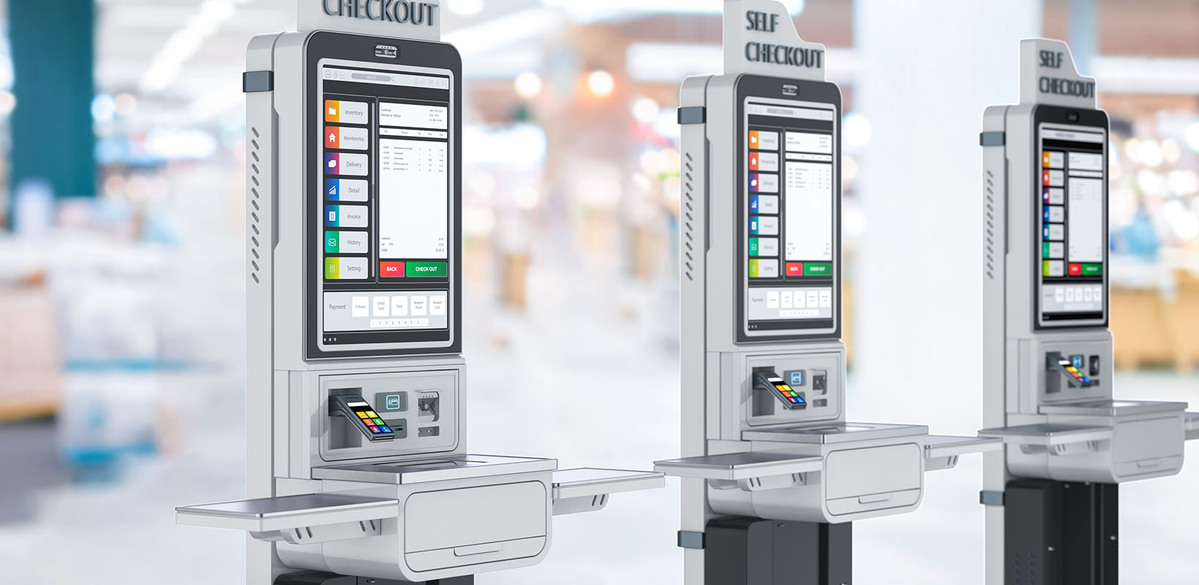
In a customer-facing example of AI in action, Restaurant Associates needed to solve long queues at lunchtime for investment bankers. AI tray scanners provided the solution.
The self-checkout terminals do not process barcodes. Instead, the AI system identifies all items on a tray – from fruit to plated meals – via a 3D image scanner. The list of purchases appears on screen, and the electronic point of sale (EPoS) is ready for payment.
The AI tills handle up to 20 transactions per minute at peak periods, as opposed to two transactions per minute with a person-managed till. This frees up staff to assist with customer service rather than simply keying items into a till.
Just as AI is at work behind every facet of our digital lives, it can also streamline and automate every corner of restaurant and hotel operations, from email marketing and labour forecasting to food waste reduction and predictive maintenance.
Clean data sets and fully integrated cloud-based systems are the prerequisites to take advantage of AI-driven efficiencies. The onus is on vendors to highlight their AI capabilities and provide the necessary training and onboarding.
Scot Turner, founder of Auden Hospitality, says: “There’s a lot of automation built into the booking system we use at Noreen in Marylebone. We’re currently making around £4,000 a month from automated emails that give a friendly follow-up to customers who cancelled or didn’t show.”

Turner is also looking at deploying a voicebot to take bookings and answer FAQs at his Covent Garden restaurant RedFarm because the volume of calls is becoming an issue.
“The key to assessing the performance of bots is to track the resolution time, conversions and how often guests have to seek further support. These bots need to work alongside teams to be effective,” says Russell.
The Technology Buying Guide 2026
- Booking tools: Software that eases the path to the final click
- EPoS: Ways to make your electronic payment system work for you
- Guest experience: How to make the most of the digital touchpoints
- Property management systems: A practical guide to choosing your next PMS
- Workforce management systems: Organise shifts, take care of HR and look after your staff
Sponsored content
- How hoteliers are rethinking PMS with Apaleo
- Focus Group: AI – the quiet force powering hospitality’s next leap
- Rezcontrol – the listening PMS
- Reimagining hospitality: How Shiji powers hotels day and night
- Stampede – all your guest engagement tech in one seamless platform
- Dines: The POS that chose service over bots
Related content










More from The Caterer
Most Popular






The Caterer People Summit 2026
 Thu May 14, 2026
 The Line, London
The Acorn Awards 2026
Sun Jun 7, 2026
The Cateys 2026
Tue Jul 7, 2026
Natural & Organic Food Show
Wed Sep 16, 2026ExCel London


The Caterer provides trusted hospitality news, analysis and trends for restaurants, hotels and catering professionals.

Jacobs Media is a company registered in England and Wales, company number 08713328. 3rd Floor, 52 Grosvenor Gardens, London SW1W 0AU.
© 2026 Jacobs Media
