


 Menu
Menu


From TikTok myths to real meals: How double award-winner Ellie Olds is educating pupils about nutrition
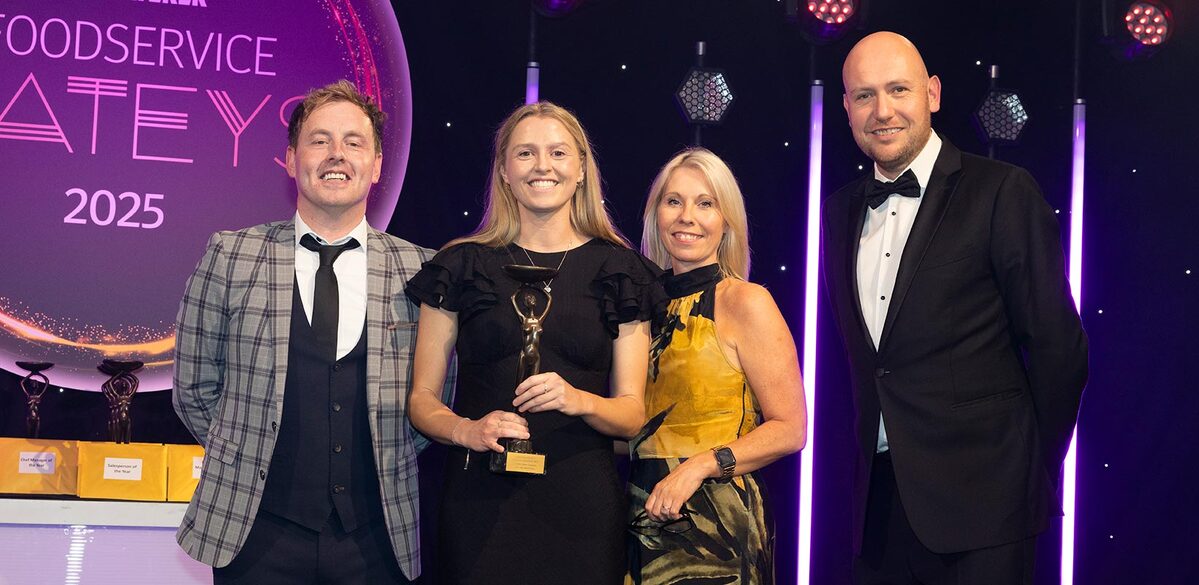
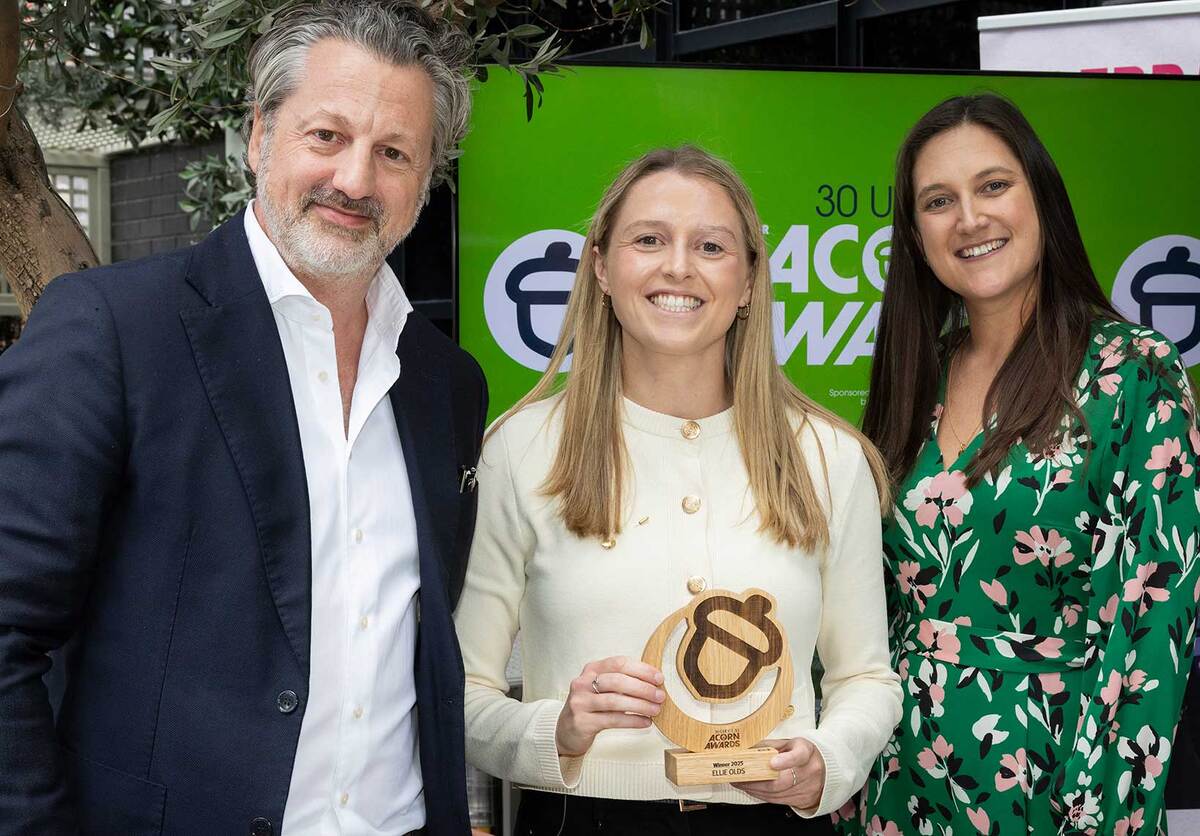
Ellie Olds’ trophy cabinet contains an Acorn Award and a Foodservice Catey, both in recognition of her sensitive and level-headed approach to nutrition in schools
Only 2% of TikTok’s nutrition content is accurate, so nutritionist Ellie Olds faces a real challenge when guiding children and teenagers towards evidence-based diet rather than following the latest food fad or celebrity-endorsed eating plan.
But if anyone is going to get pupils to sit up, listen and take on board her advice, it is Olds. For the 29-year-old 2025 Acorn Award and 2025 Foodservice Catey winner, her knowledge is rooted in lived experience and a scientific understanding of how food affects the mind and body.
Olds’ interest and grounding in nutrition came early when, aged just nine, she was diagnosed with Type 1 diabetes. “From such a young age, I’ve had to think about food and the impact food has on health [but also] how you feel and how that can affect you,” says Olds.
That experience spurred her on to study sport and exercise science, specialising in nutrition, at Leeds Trinity University, where she received first-class honours.
She now perceives nutrition in two ways: as a professional footballer for Fulham FC Women she sees it from a sports performance perspective; and in her role as nutritionist at caterer Holroyd Howe, a role she has held since October 2023, she views it through the lens of children and teenagers’ development. Her unique experience gives her a holistic perspective, combining physical health, fitness and child development, allowing her to speak with authenticity and authority, and to bridge the gap between science and the realities of school life.
Peak performance
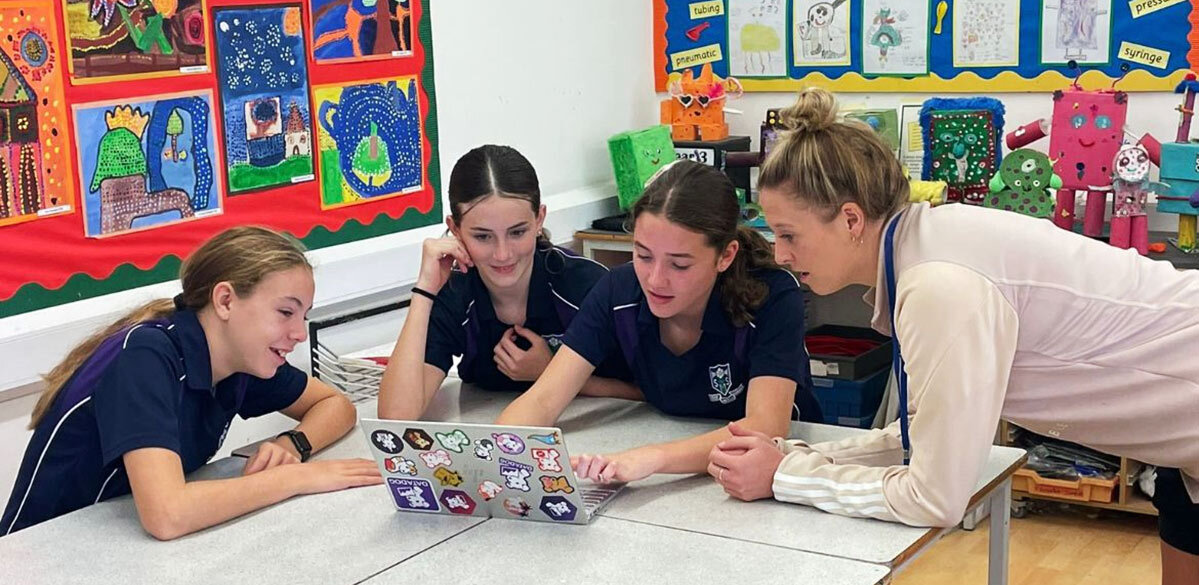
In her role at Holroyd Howe, Olds supports more than 230 schools across the UK and has worked with more than 8,000 pupils, tailoring her message depending on audience age and understanding.
Whether encouraging three-year-olds “to eat the rainbow” or drilling down into the specifics of how nutrition can affect energy levels in sport to a group of teenagers, Olds grounds all her presentations, talks and workshops in a common-sense, practical approach: “I always like to talk about nutrients rather than numbers.” Numbers, she says, can feel inaccessible to some, so she also makes her talks as interactive as possible and aims to get food involved “because that’s always a win”, she says.
“We offer some top tips, such as if you get bad menstrual cramps, try adding Omega 3 to your diet as it’s anti-inflammatory and may help”
Olds’ professional football career comes in useful too. She trains three to four times a week, with matches on weekday evenings, which means she stays up-to-date with the latest research on maximising energy and performance. “I get a little bit of respect because they know I know what I’m talking about, because I actually have to do this on a daily basis,” she says.
This approach can also be seen in her initiative, ‘Go with the Flo’, aimed at young women in schools and which addresses menstrual health and nutrition with sensitivity and relevance. Olds says: “We offer some top tips, such as if you get bad menstrual cramps, try adding Omega 3 to your diet as it’s anti-inflammatory and may help.”
She also played a key role in supporting Children’s Mental Health Week, which took place in February, particularly with her contributions at Collège Français Bilingue de Londres, where she provided education to pupils and staff on how food affects the mind.
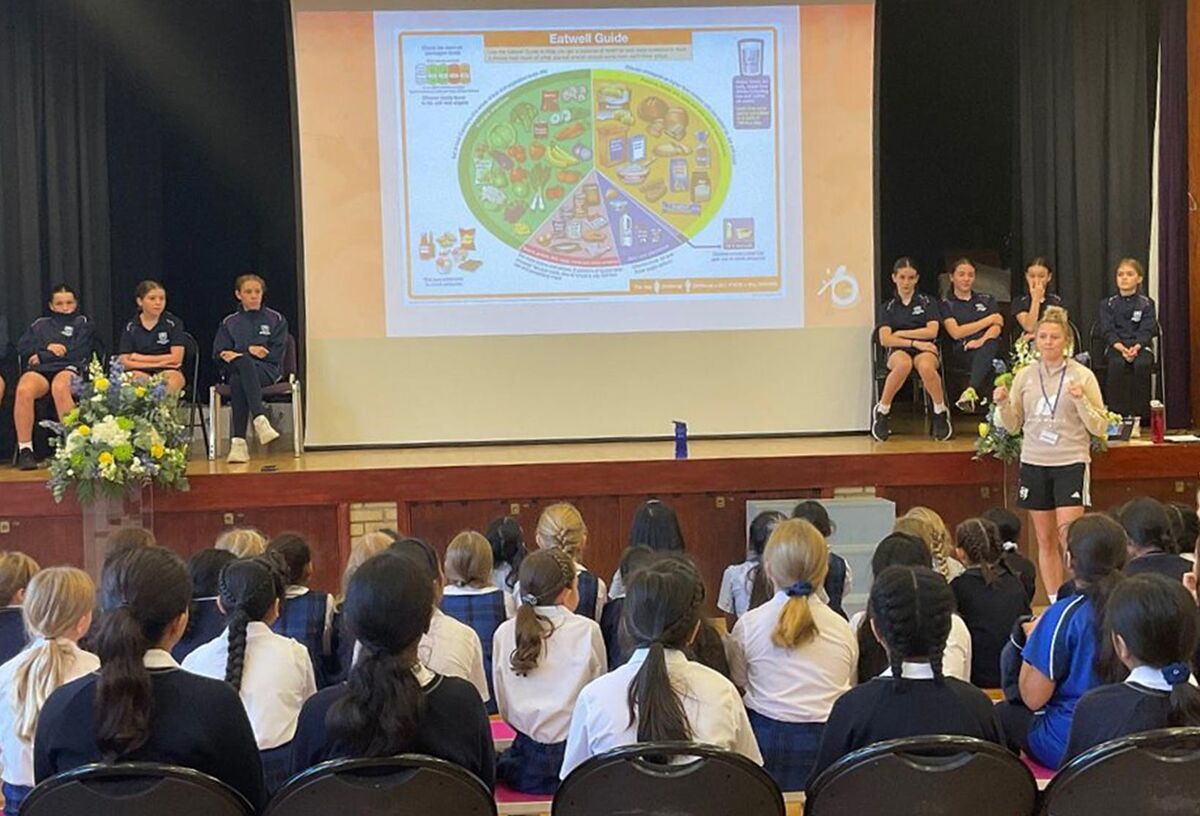

Finding the evidence
Her focus on delivering accessible, interactive and bite-sized information is aimed to cut through the noise of TikTok, Instagram and YouTube – favoured social media platforms among pupils. And it isn’t just students she has to convince; parents also turn to social media for nutrition advice. She says pupils and parents will “see a fad diet on social media and they take it as gospel, but you need to come back with evidence-based nutrition”. She stresses she’s not against using social media altogether, but urges people to be discerning about who they follow and to always check the influencer’s credentials.
Her message is clearly resonating. A year nine pupil recently told Olds that her session was “really helpful to learn about the best snacks and meals to have before and after sport to help maximise recovery. We learned about the importance of sleep, hydration and balanced nutrition, and I now realise how small changes can make big differences to my physical and mental health”.
Another even handed her a handwritten note outlining how her class plans to sell wonky fruit and vegetables, donating 80% of the proceeds to a charity supporting producers.
This influence has not gone unnoticed. Judges for both awards described Olds as “an inspiring and influential figure in the nutrition sphere”, whose work impacts children “in an incredibly positive way”.
For Olds, such recognition validates a new kind of nutrition leadership, one that is authentic, personal, evidence-based and educational. “That’s obviously how I’ve been able to get these two awards, and that’s what I really enjoy doing,” she says. “It’s a privilege to be able to eat healthily, so being able to make it accessible to as many people as possible is amazing.”










More from The Caterer


Most Popular


HRC
 Mon Mar 30, 2026
 ExCel London
The Caterer Supplier Awards
Thu Apr 16, 2026
The Caterer People Summit 2026
Thu May 14, 202658VE, London
The Acorn Awards 2026
Sun Jun 7, 2026


The Caterer provides trusted hospitality news, analysis and trends for restaurants, hotels and catering professionals.

Jacobs Media is a company registered in England and Wales, company number 08713328. 3rd Floor, 52 Grosvenor Gardens, London SW1W 0AU.
© 2026 Jacobs Media

