



 Menu
Menu


Refugee entrepreneurs could contribute £1b to UK hospitality industry
Unlocking refugees’ potential could boost the British economy, according to research by the Entrepreneurial Refugee Network and Square
Refugees could contribute £1.15b to the UK hospitality sector, according to forecasts from the Entrepreneurial Refugee Network (TERN).
Research from TERN in partnership with payments provider Square has estimated that there are approximately 26,500 refugee entrepreneurs across the UK, who collective contribute £520m to the wider economy. The social enterprise believes that with the right financial and coaching support, this could potentially increase to £5.1b across the whole economy, with £1.15b contributed to the hospitality sector.
Square is partnering with TERN to help refugee entrepreneurs access the tools, funding and long-term support needed to build sustainable businesses that contribute to the UK economy. This includes point-of-sale (PoS) hardware donations, running business-related masterclasses and providing support at TERN member showcase events.
‘The Refugee Entrepreneur Opportunity’ report revealed a gap between the entrepreneurial potential of refugees and the reality they face in setting up a business in the UK. Refugees are rarely seen as supporting the economy, with just 7% of UK adults saying they see refugees as entrepreneurs while only 10% are seen as economic contributors. On average, only 30% of people say they think refugees want to start a business in the UK, and only 26% believe they already have.
Charlie Fraser, co-founder of TERN, said: “Refugee entrepreneurs are skilled, creative and determined, but they often operate without safety nets or fair access to finance. Our work on the ground means we know how many refugees are looking to start their own business, so we’re focused on turning this potential into sustainable prosperity and growth for founders, and the communities they serve.”
The refugees described entrepreneurship as “emotionally demanding but deeply purposeful”, and a way to “rebuild stability, identity and confidence alongside income”. Many said that sustaining their business once it is set up is also harder due to a lack of confidence, mentorship and long-term support.
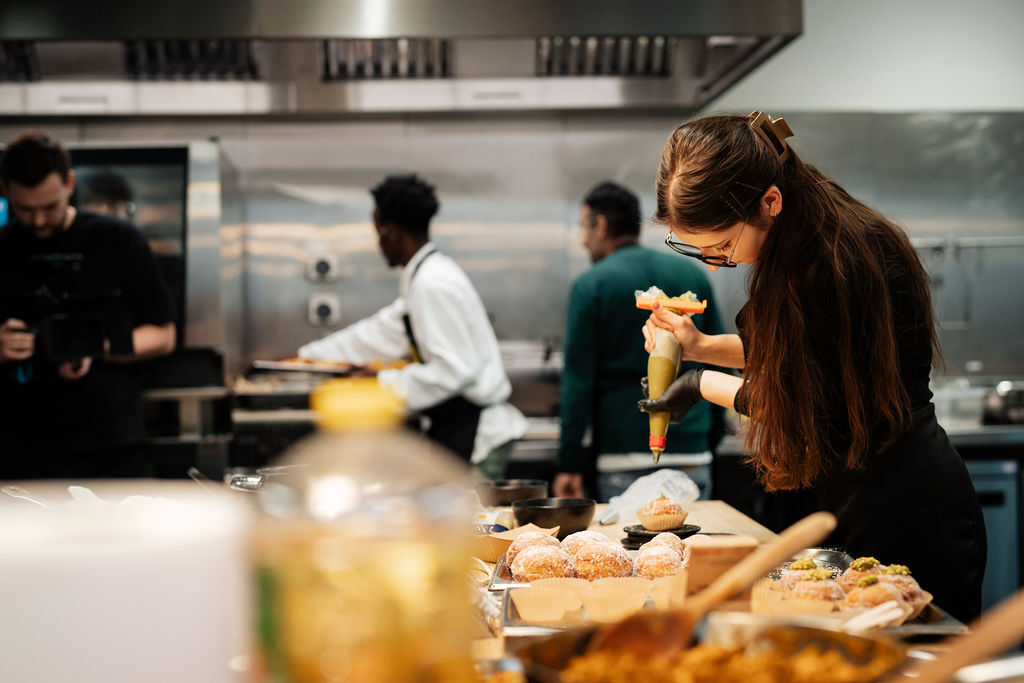
Refugee entrepreneur Jasmine Abakarova, founder of Boemo, a street food business specialising in Italian bomboloni, launched her business after receiving support from TERN.
She said: “Without a network or guidance, every decision you make as a refugee business owner can feel heavier. Every email and customer opinion hits you, and this can be especially tough with no financial cushion or family support, and no margin for error.
"Having access to a strong network of people who can support your business with the right information and solutions is what makes the difference between success and failure.”
John O’Beirne, chief executive at Square International, added: “Entrepreneurship is one of the strongest drivers of economic growth, but too many founders face barriers that have nothing to do with talent or ambition.
“Our partnership with TERN and its community of refugee entrepreneurs will provide financial support and access to our services to give them the boost they need at the most vulnerable stages of business growth, ensuring they can build resilient businesses that contribute to local economies year after year.”










More from The Caterer
Most Popular






The Caterer People Summit 2026
 Thu May 14, 2026
 The Line, London
The Acorn Awards 2026
Sun Jun 7, 2026
The Cateys 2026
Tue Jul 7, 2026
Natural & Organic Food Show
Wed Sep 16, 2026ExCel London


The Caterer provides trusted hospitality news, analysis and trends for restaurants, hotels and catering professionals.

Jacobs Media is a company registered in England and Wales, company number 08713328. 3rd Floor, 52 Grosvenor Gardens, London SW1W 0AU.
© 2026 Jacobs Media
