


 Menu
Menu


How to build a low and no bar menu
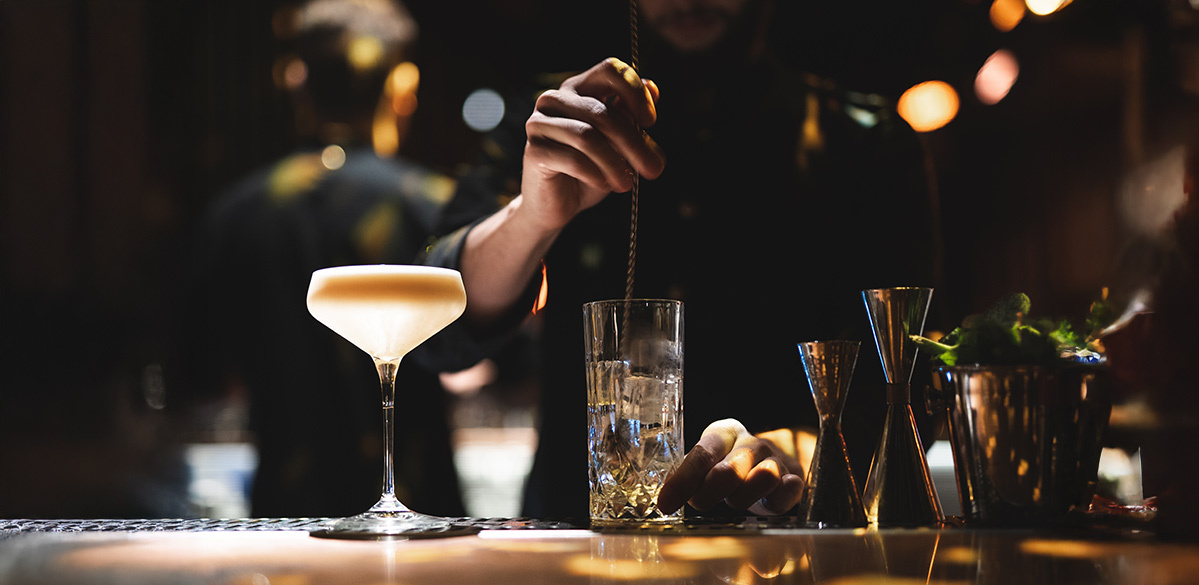
It’s good advice to stock an alcohol-free alternative for all types of drinks, with premium alternatives to beer, wine and spirits, and sparkling teas too
Alcohol moderation has gone mainstream. No longer the preserve of campaigns such as Dry January or Go Sober for October, 4.1 million fewer adults are drinking alcohol weekly in 2025 compared to 2021, according to KAM Insight’s Drinking Differently 2025 report.
Although KAM’s research suggests that 22% of consumers say they are drinking more alcohol-free drinks compared to 12 months ago, the on-trade isn’t necessarily meeting this growing demand. The report also found that four in 10 customers have left a venue early or disappointed because of poor low and no options. And with 24% of non-drinkers defaulting to tap water in venues, KAM calculates this is an £800m missed opportunity for operators.
So how can pubs and bars get a piece of this lucrative action? “Pubs should aim to list at least one no or low alcohol brand per category to cater to a diverse customer base,” says Will Rice, on-trade director at Heineken UK. “The 18-34 age group is particularly driving growth through seeking innovation and variety. A range that includes premium lager, craft beer, ale, stout, apple cider and flavoured cider will help venues stay relevant and attract footfall.”
Better beer
Rice says that premium no and low alcohol options often command higher price points. “For instance, Birra Moretti Zero typically sells at a higher price than Heineken 0.0 in the 330ml format,” he says.
Patrick McCaig, managing director at Devon-based Otter Brewery, agrees: “When choosing no or low, customers still want to mirror the premium alcoholic drink, just with lower alcohol content.” The brewery is catering to this trend with its 0.5% abv India Pale Ale (IPA), Otter Zero.
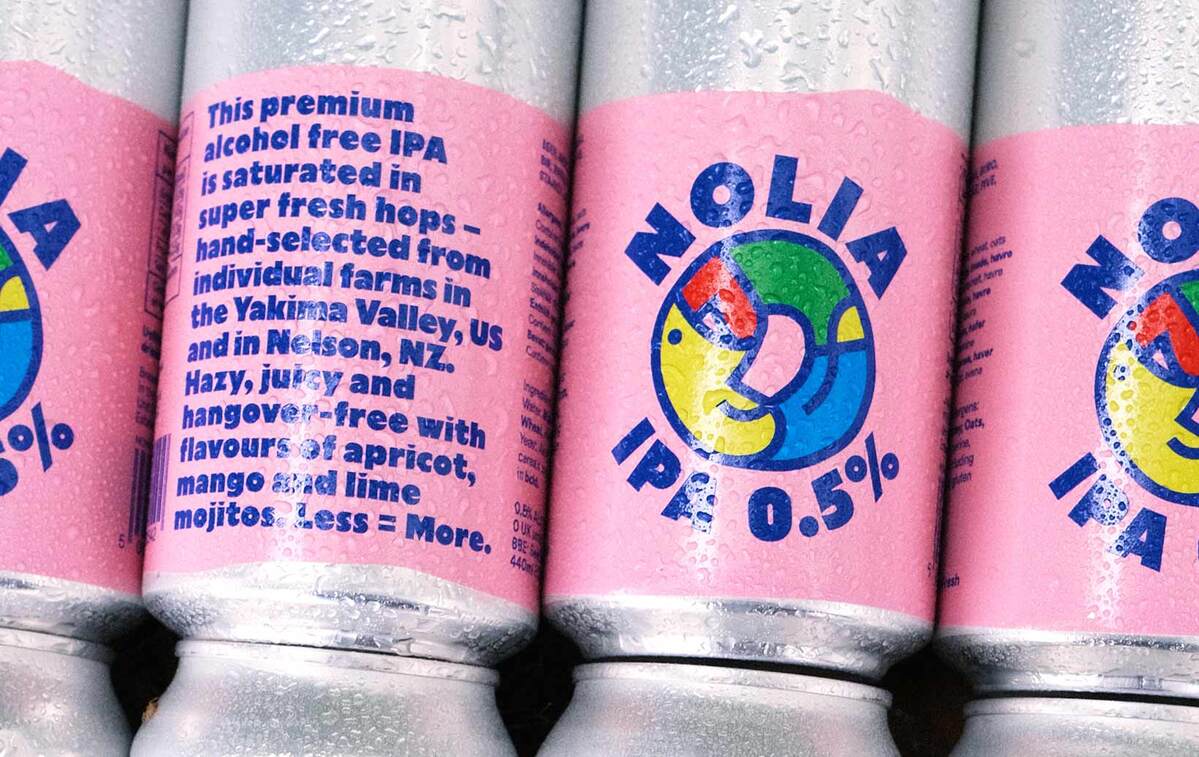
Beak Brewery in Lewes, East Sussex, believes it has filled a gap in the alcohol-free beer market: “Until now there’s been a serious dearth of options that appeal to people who value haze, thick mouthfeel and huge hop character. In response, earlier this year we launched a sister alcohol-free IPA brand called Nolia,” says founder and director Daniel Tapper.
Read More
Worthy wine
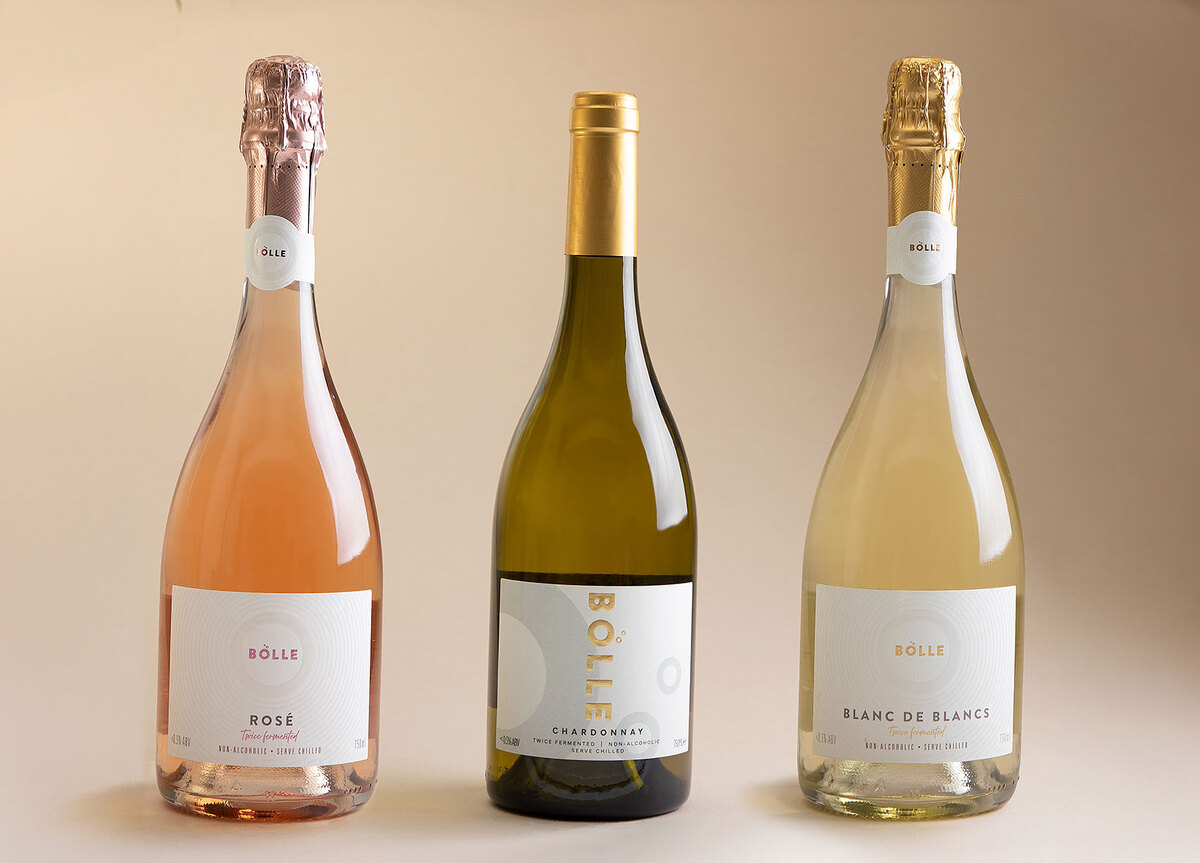
There’s a similar ethos at Bolle regarding low and no wine. “We believe that choosing not to drink alcohol should never mean accepting a lower-quality experience,” says chief executive Gary Read. “That’s why Bolle has reimagined non-alcoholic wine through a patented double-fermentation process that creates the complexity, texture and balance of premium sparkling wine, but without the alcohol.”
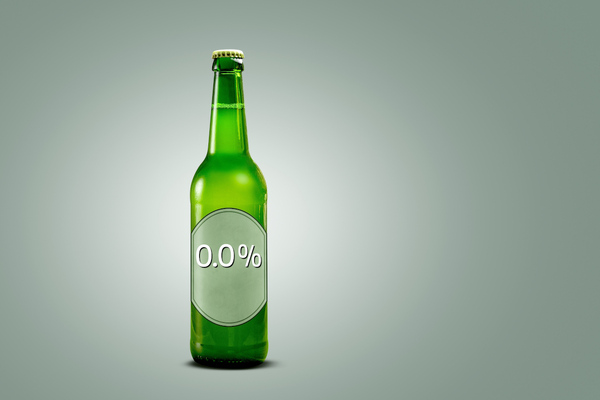
The winemaker is “deliberately subtle” about the alcohol content though: “Our bottles don’t shout ‘0%’ because those who are moderating don’t want to be defined by what’s missing,” added Read.
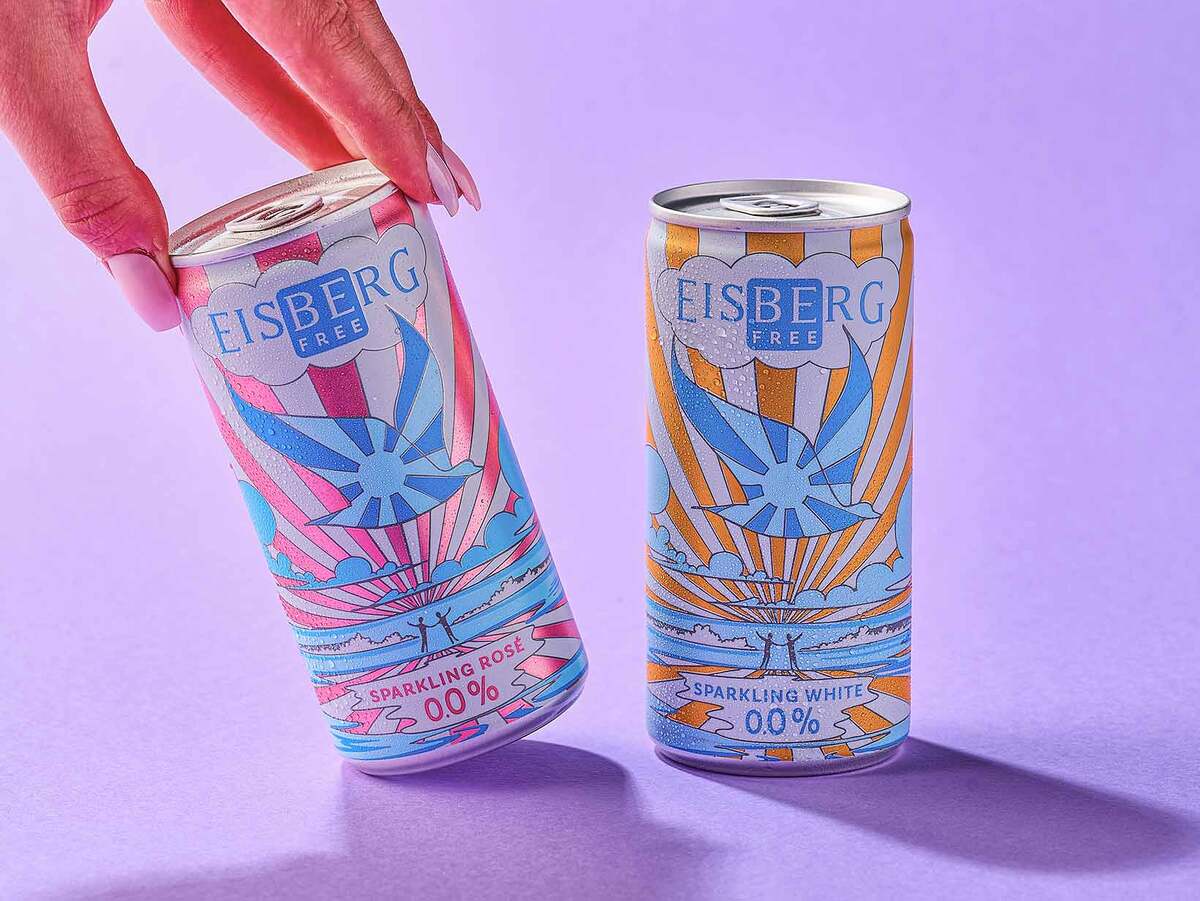
For those sites unsure of alcohol-free wine demand and the prospect of wastage when opening a full bottle, Eisberg feels it has a solution. “We’ve introduced our Be Free cans range, which offers smaller formats of alcohol-free sparkling wine that helps venues to manage stock efficiently while offering guests a convenient, high-quality option,” says Dan Harwood, managing director for Eisberg’s SW Wines Europe.
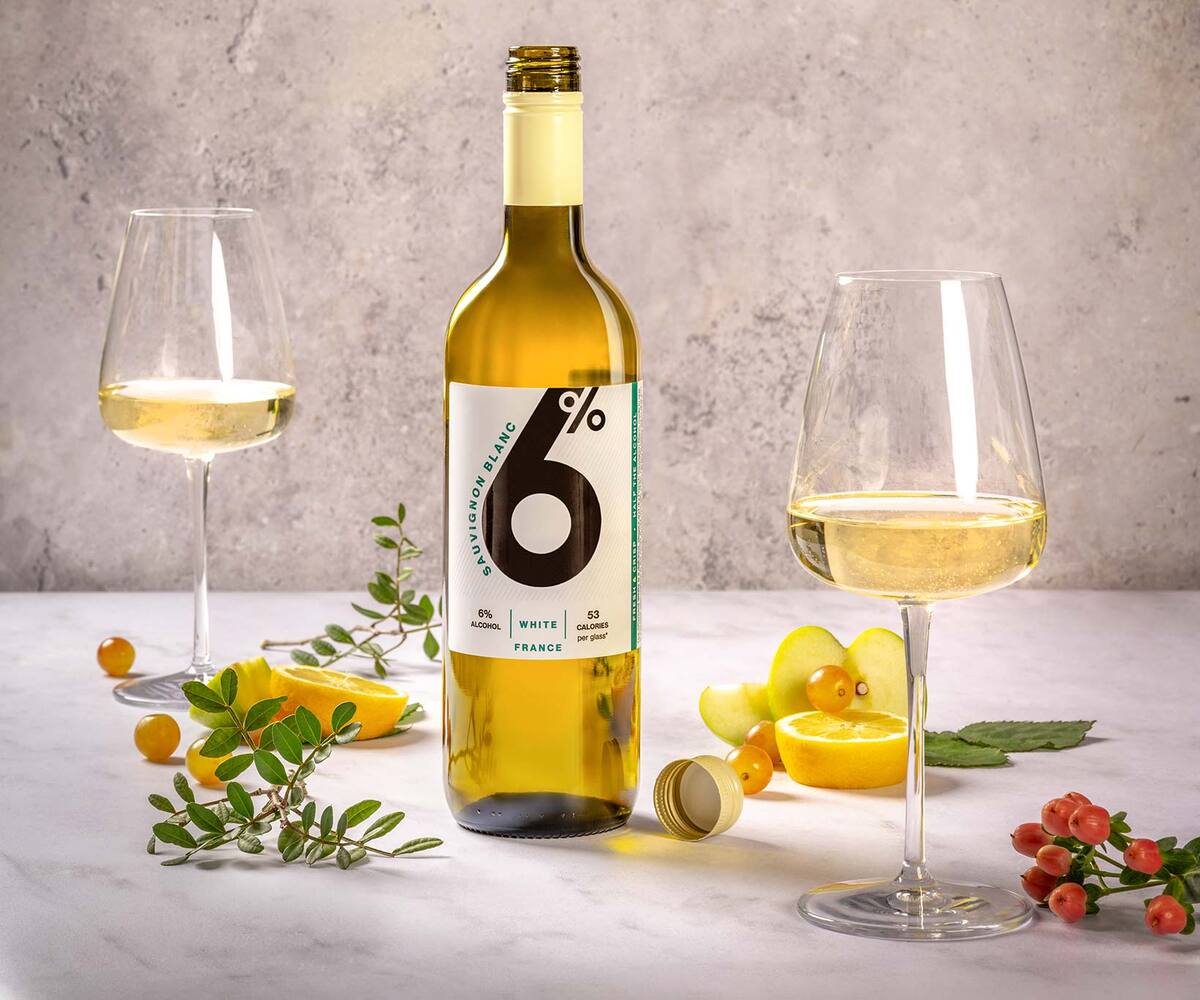
If sites want to meet demand for those looking to cut down rather than cut out alcohol when it comes to wine, there is a mid-strength alternative. “We work with our hospitality partners to provide the wine option for traditionally low points in the day for customers purchasing alcohol, such as lunch or mid-week,” says 6Percent Wine co-founder, Russell Lamb. “By doing this it can increase the rate of sale.”
Sparkling food pairings
Other non-alcoholic drinks can fill the function of wine too, particularly when served with a meal. Drinks brand Jukes produces its three apple cider vinegar-based drinks in two formats: as a concentrate, meant to be mixed by the drinker, and as a premixed sparkling drink, best served over ice. Founder and chief executive Matthew Jukes says: “Hardly any no and low drinks were made with elite or even everyday gastronomy in mind, so to that end, all Jukes drinks are perfumed, sleek, highly complex and bone dry. They are built from the ground up, with no upper limit on the scale of flavour or depth of field.”

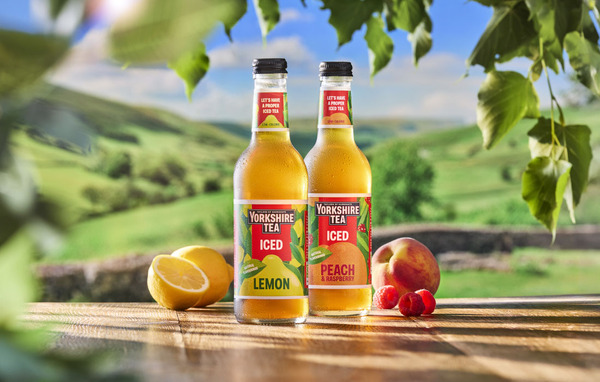
Sparkling teas can fit into this category as well, says Saicho founder Charlie Winkworth-Smith: “Unlike many non-alcoholic alternatives that are trying to replicate something else, we’re working with a product that has its own inherent complexity and sophistication. As more people understand tea’s potential for food pairing, we see sparkling tea carving out its own distinct category rather than being positioned as a wine substitute.”
LA Brewery founder Louise Avery agrees with prioritising food pairing: “With wine-like qualities and carefully balanced acidity, our sparkling teas have been designed to pair beautifully with food,” she says. “Operators should also consider the design of the no and low products they’re serving to customers. LA Brewery’s range also comes in corked bottles that mimic the ‘popping’ tradition associated with celebratory occasions.”
Recreating the spirit
Although many non-alcoholic spirits replicate the same sense of occasion as their alcoholic cousins, some in the moderation movement object to the term ‘mocktails’, feeling that labelling the drinks as such means they’re seen as ‘lesser’.
Gavin Troman, spirits category manager at wholesaler Booker, says these serves should be “of a high-quality with layers of flavour in beautiful glassware and aromatic garnishes that justifies the price point”. He says: “Consider offering a selection of alcohol-free spritzes that mirror the classic profiles of traditional cocktails. This reduces customer hesitation by providing familiar taste experiences without alcohol content.”
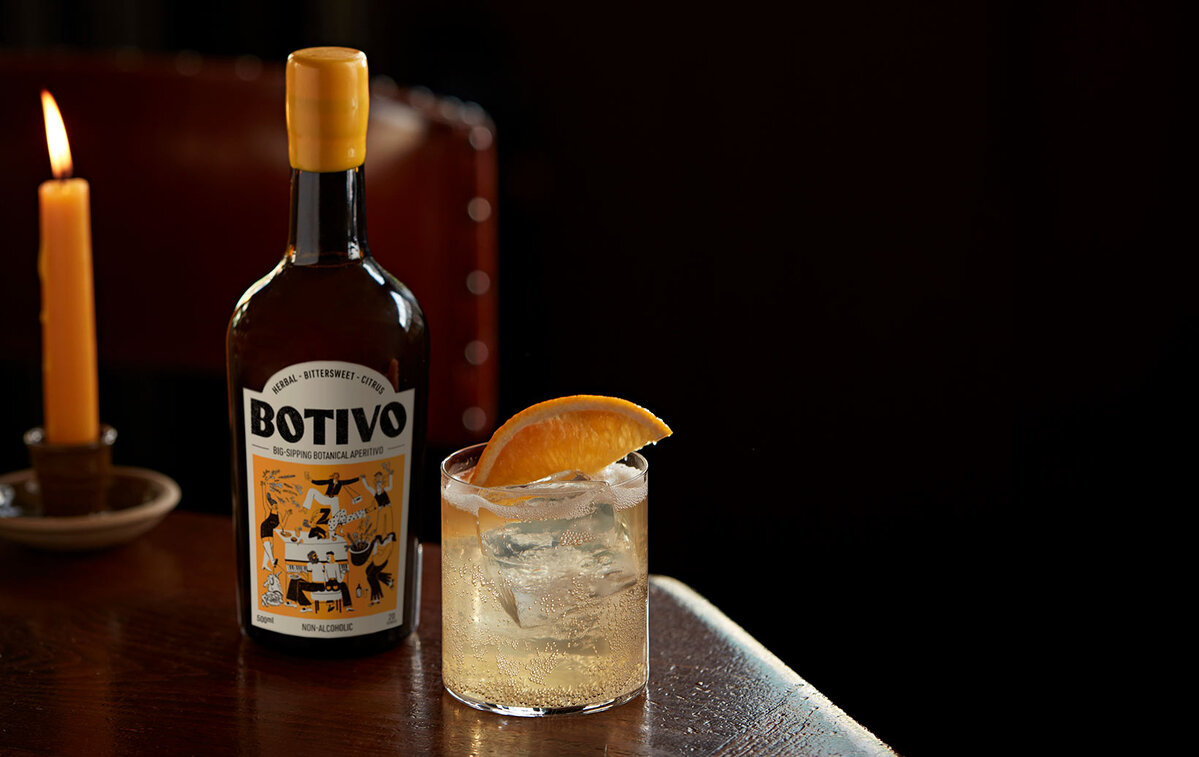
Meanwhile, Imme Ermgassen, co-founder of non-alcoholic apéritif Botivo, believes there’s a strong commercial case for offering alcohol-free spirits. “The difference in cash margin between a lime and soda and a Botivo and soda is over £5,” she says. “When hospitality margins are under huge pressure, improving the non-alcoholic section of the menu is one of the easier wins.”
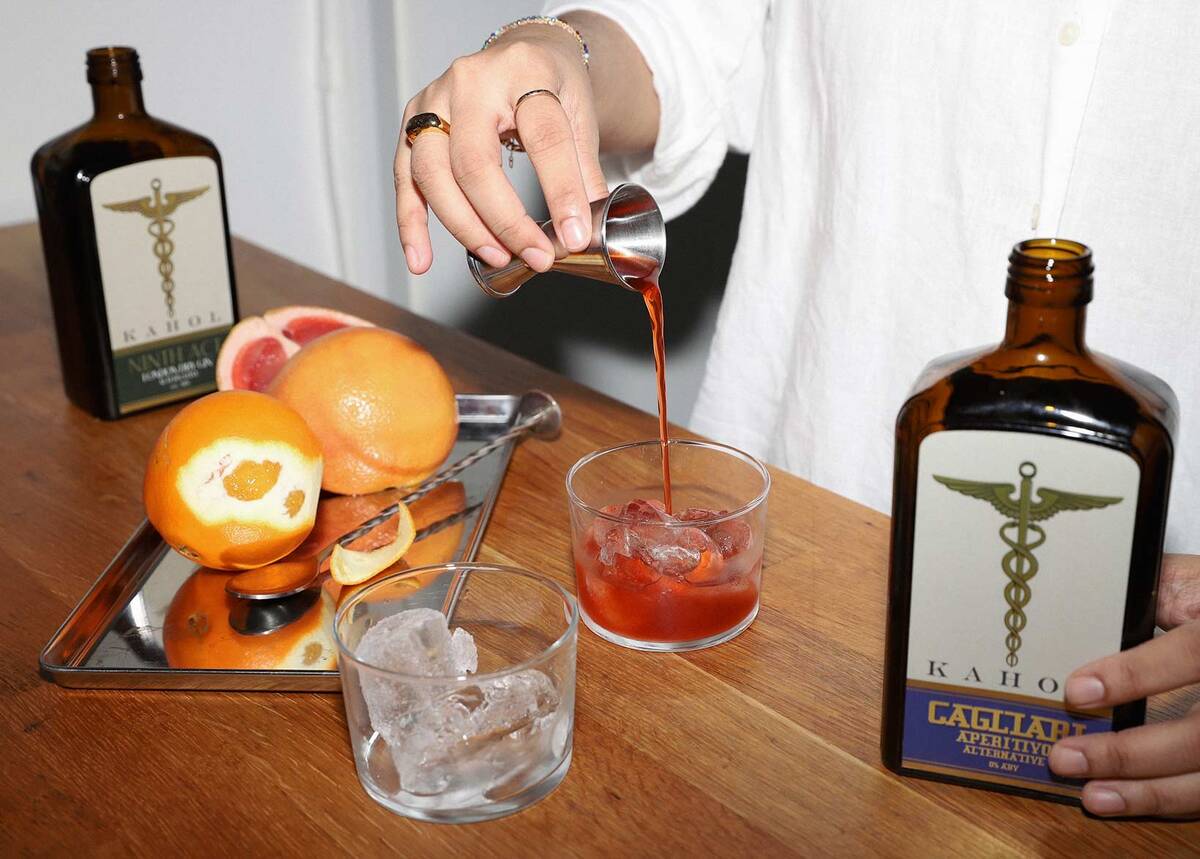
Mariam Mahmud, co-founder of Kahol Spirits, adds: “We share transparent pricing breakdowns with projected margins based on standard cocktail builds, helping operators see the clear business case for diversifying their drinks offering to include strong low and no options.”
Mixers also play a key role in catering to these changing trends and consumer habits, and Carlsberg Britvic’s London Essence Company brand is designing its product development with low and no serves in mind, as well as traditional alcoholic and premium soft drinks.
“Whether it’s mixing the distinctive ginger ale or blood orange and elderflower tonic water with an alcoholic or non-alcoholic spirit, or enjoying them as a standalone drink served over ice, the range allows guests to enhance their drinking experiences with no compromise,” says Russell Goldman, managing director of the group’s breakthrough brands.
With alcohol losing its default status as the out-of-home drink of choice, operators now can’t afford not to offer a diverse beverage menu.
Suppliers
6Percent Wine www.6percent.wine
Beak Brewery beakbrewery.com
Bolle www.bolledrinks.co.uk
Booker www.booker.co.uk
Botivo www.botivodrinks.com
Carlsberg Britvic carlsbergbritvic.co.uk
Eisberg eisberg.co.uk
Heineken UK www.heineken.co.uk
Jukes jukescordialities.com
Kahol Spirits www.kaholspirits.com
LA Brewery labrewery.co.uk
Otter Brewery otterbrewery.com
Saicho www.saichodrinks.com
Photo: Tsyb Oleh/Shutterstock


More from The Caterer
Most Popular

The Caterer People Summit 2026
 Thu May 14, 2026
 The Line, London
The Acorn Awards 2026
Sun Jun 7, 2026
The Cateys 2026
Tue Jul 7, 2026
Natural & Organic Food Show
Wed Sep 16, 2026ExCel London


The Caterer provides trusted hospitality news, analysis and trends for restaurants, hotels and catering professionals.

Jacobs Media is a company registered in England and Wales, company number 08713328. 3rd Floor, 52 Grosvenor Gardens, London SW1W 0AU.
© 2026 Jacobs Media
