


 Menu
Menu


Wetherspoon’s profits hit by ‘stealth taxes’
Chairman Tim Martin blamed a double-digit dip on £60m of cost increases
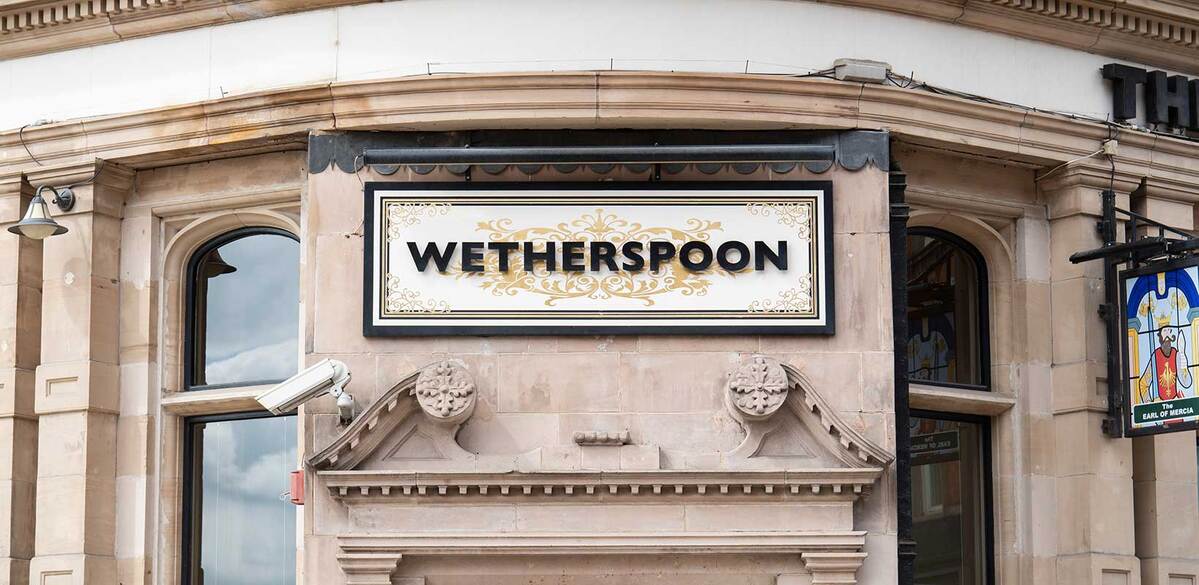
Wetherspoon saw its operating profit slide by 18.4% in the first half of the group’s financial year.
In the 26 weeks ending 25 January 2026, the pub giant’s like-for-like profits fell from £64.8m in 2025 to £52.9m this year.
Chairman Tim Martin identified rises in National Insurance Contributions and labour rates as resulting in a £60m annual cost increase, which added to an extra £7m yearly energy expenditure.
“Substantial tax and cost increases have been imposed on the hospitality industry, including a plethora of stealth taxes (non-domestic electricity charges; climate change levies; packaging charges, etc), by recent governments, so that profits are still below pre-pandemic levels,” he wrote in the company’s latest interim results.
“These cost increases will undoubtedly add to underlying inflation in the UK economy, although Wetherspoon, as always, will endeavour to keep price increases to a minimum.”
However, he maintained that like-for-like sales were outperforming the industry average, with a group increase of 4.8% across the period, though in the last seven weeks to 15 March the rise levelled off at 2.6%.
CGA RSM’s Hospitality Business Tracker for February 2026 said industry like-for-like sales were -0.2%. During this period, Wetherspoon’s like-for-like sales were up 3.2%.
The pub group’s revenue ticked up 5.7% across H1 2026, from 2025’s £1,029.5m to £1,087.8m this year.
Martin said: “There is clearly considerable pressure on consumer finances, combined with higher taxes, wages and energy costs for the hospitality industry. This may result in profits that are slightly below current market expectations. The forecast for year-end net debt remains unchanged.”
He also reiterated his call from earlier this week that publicans should unite around campaigns to reduce both VAT and business rates multipliers, saying that “there has been either hostility or indifference from key areas of the pub industry, with virtually no clarion calls supporting these political initiatives for tax parity”.
Citing Morgan Stanley research indicating that pubs have lost 50% of their beer trade since the millennium, including about 15% since the pandemic, he added: “Let’s prepare for a future film about the demise of pubs, perhaps called, ‘Deathwish in the Boardroom’, which will delve into the psychology of pub company directors who refused to back calls for tax equality with supermarkets.”
During H1 2026 Wetherspoon opened six pubs, with six others being sold or closed, garnering a total of £3.3m cash inflow. At the end of the period 794 managed pubs were trading.
The company intends to open approximately 15 managed pubs in the current financial year.
Eight franchised pubs also opened in the period, bringing the total number to 16. The company anticipates opening approximately 15-20 franchised pubs in the current financial year, with the firm reporting encouraging sales levels in its franchised sites.
In February, Martin dismissed the government’s business rates support package for pubs as “small fry”, and said that Wetherspoon has faced a £100m hike in costs under Labour’s policies after coming into power in 2024.
The pub group previously issued a profit warning for the first half of its 2026 financial year, citing “higher than anticipated” costs.
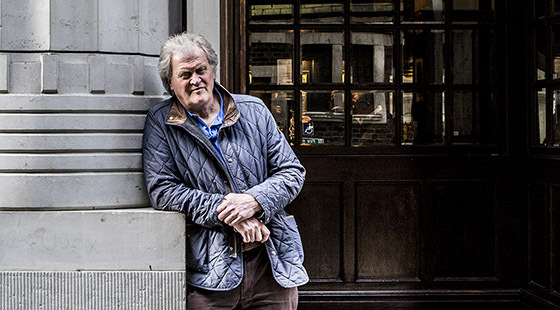
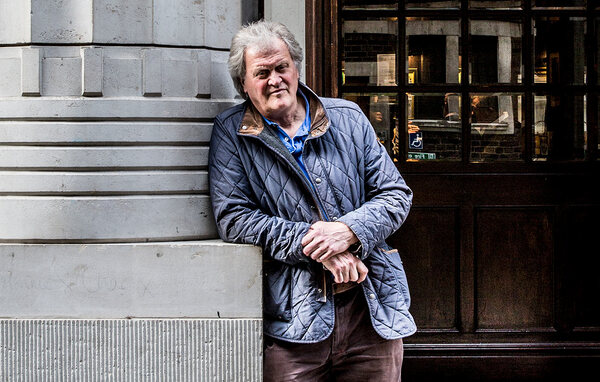
Photo: Matthew Stone/Shutterstock

More from The Caterer
Most Popular



The Caterer People Summit 2026
 Thu May 14, 2026
 The Line, London
The Acorn Awards 2026
Sun Jun 7, 2026
The Cateys 2026
Tue Jul 7, 2026
Natural & Organic Food Show
Wed Sep 16, 2026ExCel London


The Caterer provides trusted hospitality news, analysis and trends for restaurants, hotels and catering professionals.

Jacobs Media is a company registered in England and Wales, company number 08713328. 3rd Floor, 52 Grosvenor Gardens, London SW1W 0AU.
© 2026 Jacobs Media
