


 Menu
Menu


'Disconnected from reality': Hospitality reacts to Spring Statement
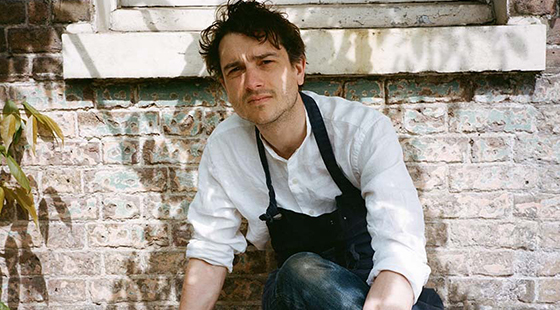
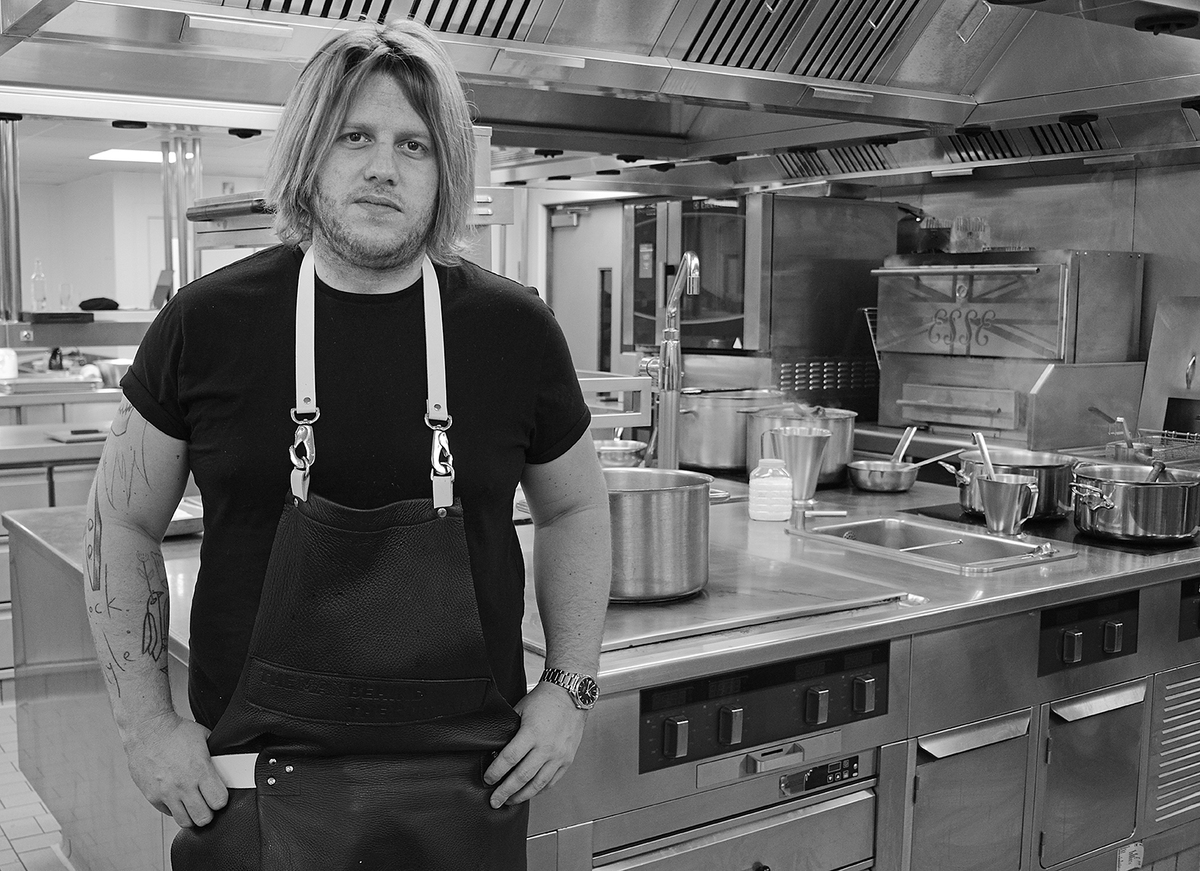
Chef Tommy Banks said "reality and rhetoric were worlds apart"
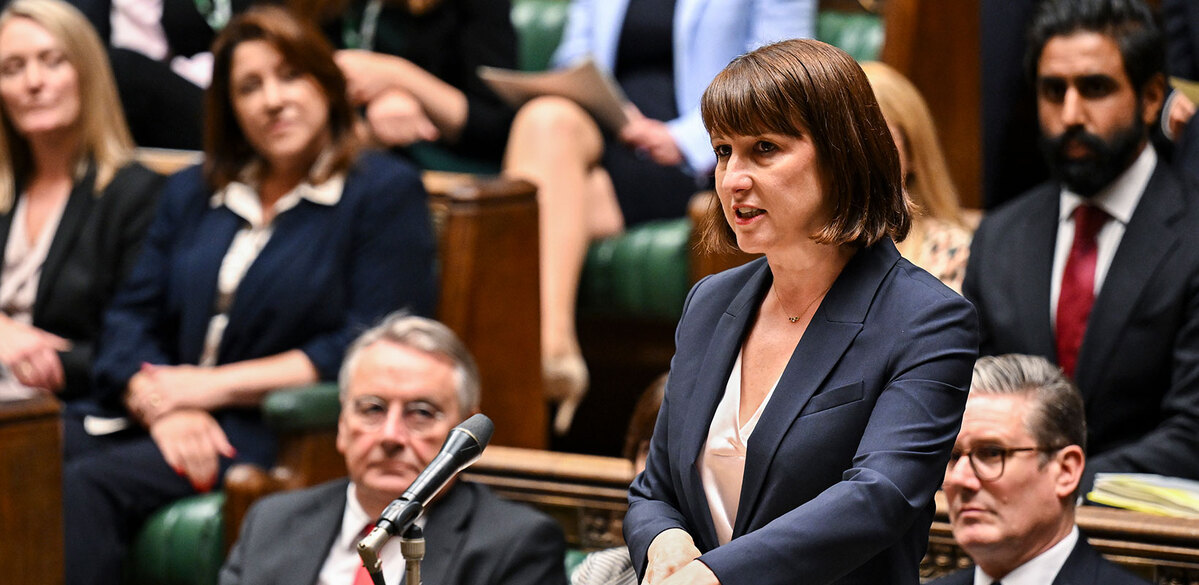
The hospitality industry has criticised the chancellor for delivering a Spring Statement that “feels disconnected from reality”.
Rachel Reeves assured the House of Commons today the government has “the right economic plan” amid an “increasingly dangerous world”.
She said Labour has “restored economic stability”, with inflation forecast to fall faster than previous estimates. GDP was expected to grow by 1.1% in 2026, down slightly from the 1.4% forecast during November’s Budget.
Reeves said her actions would keep inflation “low and stable” should another energy crisis arise out of the conflict in the Middle East.
She also stated the government “will not leave an entire generation of young people behind” after it was revealed last month that unemployment among people aged between 16 and 24 was at 16.1%, its highest in more than 10 years.
“In the coming weeks, we will set out more reform to undo the Tory legacy of neglect and give young people the support and opportunity they deserve,” she said, having pointed out her party has made additional investments and reformed apprenticeships to improve the state of the jobs crisis.
The Spring Statement comes ahead of next month’s changes to business rates, which will see government replacing the existing retail, hospitality and leisure relief with two lower business rates multipliers for properties with rateable values below £500,000.
From 1 April, National Living Wage rates will also increase to £12.71 per hour for workers aged 21 and over and to £10.85 for 18-20 year olds.
Hospitality operators have raised concerns around the lack of reprieve from day-to-day challenges in the industry.
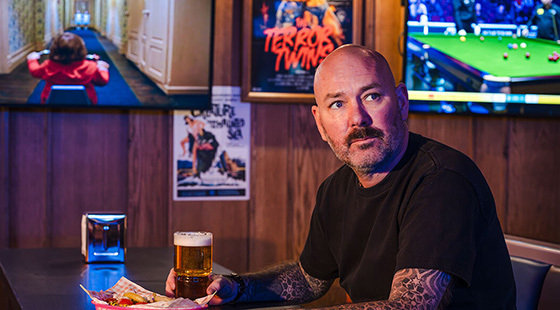
Earlier today, James Brown, chief executive of Brava Hospitality Group (previously Prezzo Italian) and former managing director of bars at BrewDog, said the collapse of the once pioneering craft beer brand was one that “unfortunately many of us could see coming”.
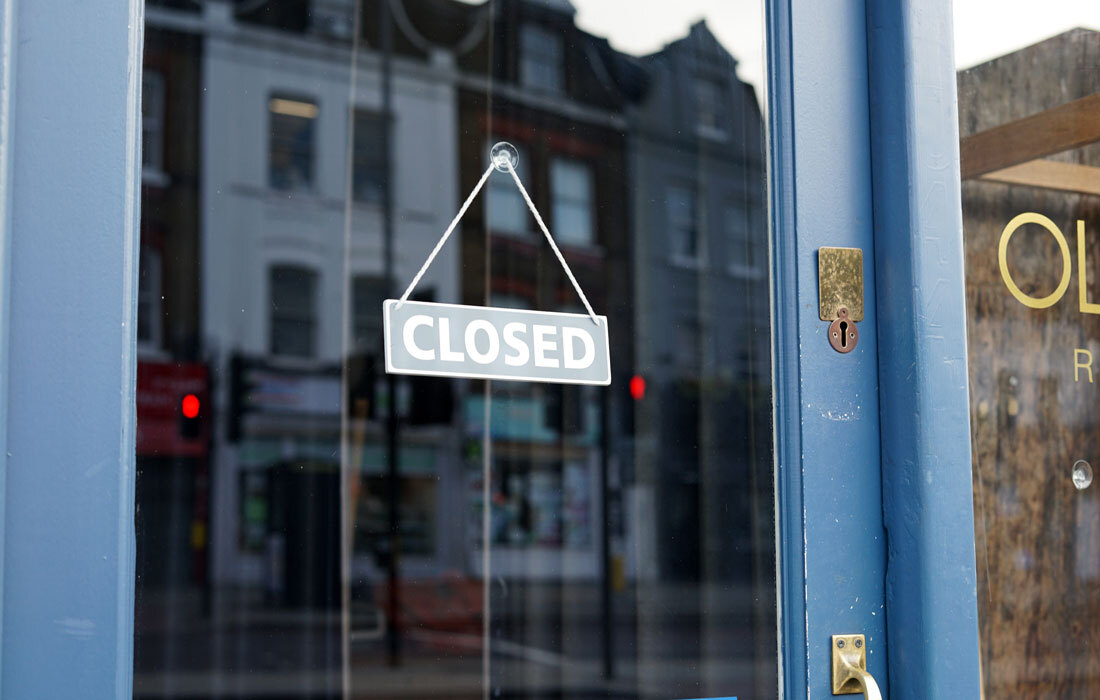
He pointed out that the majority of the 38 bars that closed yesterday were profitable in 2024, but had subsequently been hit hard by the increases to employers’ National Insurance and the “huge increases” in business rates.
An average of four hospitality sites closed per day in the final quarter of 2025, with UKHospitality warning it was “entirely plausible” the sector could lose a further 100,000 workers as a result of the latest Budget.
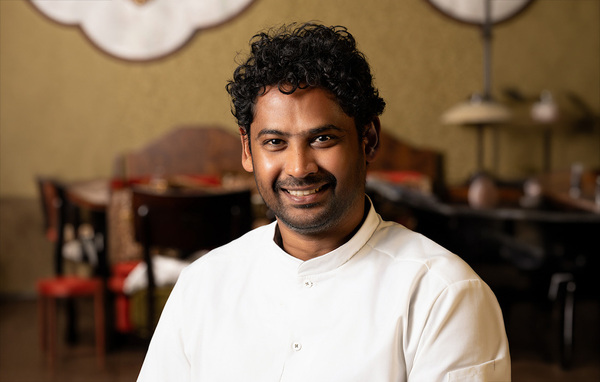
Tommy Banks, chef patron of Tommy Banks Group and co-founder of Jeopardy Hospitality, told The Caterer: "Watching the Spring Statement today, it felt as though reality and rhetoric were worlds apart. Businesses are being taxed at levels that many simply cannot sustain, and the consequences are visible across the country. There are now 100,000 fewer people working in hospitality. That isn’t just a statistic — that’s 100,000 livelihoods. As a business owner, if I ever have to let someone go, it keeps me awake at night.
"So it’s difficult to reconcile decisions that leave so many people out of work with the tone of congratulation we sometimes hear from the government. Hospitality doesn’t need sympathy — it needs smart policy. We don’t need fewer restaurants. We need an environment where responsible, community-driven businesses can thrive, employ, train, and contribute to Britain’s cultural and economic strength."
Meanwhile, James Robson, chairman at Fallow, pointed out the government missed an opportunity "to send a positive message in the Spring Statement following the rather ill advised ’we don’t want any more restaurants’ narrative".
He told The Caterer: "Sadly, nothing was forthcoming, so the-anti employment, anti-entrepreneurship stance continues. I continue to believe that overseas growth is more attractive than the UK even taking into account the division in the States & disruption in the Gulf."
Kate Nicholls, chair of UKHospitality, stated: “If the government wants to deliver growth everywhere for everybody, it needs to recognise that hospitality is the sector best placed to deliver that across the country.
“Urgently reducing hospitality’s cost of doing business has to be the priority. That means cutting one of the highest rates of VAT in Europe, properly fixing the broken business rates system and helping hospitality get people back into work by reducing employment costs.
“The chancellor spoke of wanting everyone to be able to afford a holiday, but the government’s plans to introduce a holiday tax will put that even further out of reach for the regular family. If it wants to make holidays affordable, it should stop the holiday tax.”
Michael Kill, chief executive of the Night Time Industries Association, added: “Talk of ‘stability and positivity’ feels disconnected from the reality on the ground. Businesses do not need reassurance - they need decisive intervention. If growth is truly the government’s mission, then meaningful action must follow.”
Meanwhile, Emma McClarkin, chief executive of the British Beer and Pub Association, commented: “With half of our workforce made up of younger people, we are a fundamental part of the job market and give many their first step on the career ladder.
“With unemployment set to spike we can help solve this problem but, if we’re to keep putting money in workers’ pockets, our businesses need to be viable which means cutting the heavy cost of doing business.
“Key to this is the government taking a sustainable approach to the National Living Wage rises which will mean we can keep creating those precious opportunities, jobs, and skills.”
Tina McKenzie, policy chair of the Federation of Small Businesses, said: “Given the heightened global tensions of recent days, if there is another energy price crisis the government must stand ready to bring forward a package of help for small business energy consumers, akin to during the last huge price spike.
“As the April costs stack bites, the chancellor must give assurance that she’ll take decisive action to ease the taxes and costs imperilling small firms and the self-employed, and in turn imperilling the jobs, opportunities and local prosperity they could otherwise bring.”



More from The Caterer
Most Popular



The Caterer People Summit 2026
 Thu May 14, 2026
 The Line, London
The Acorn Awards 2026
Sun Jun 7, 2026
The Cateys 2026
Tue Jul 7, 2026
Natural & Organic Food Show
Wed Sep 16, 2026ExCel London


The Caterer provides trusted hospitality news, analysis and trends for restaurants, hotels and catering professionals.

Jacobs Media is a company registered in England and Wales, company number 08713328. 3rd Floor, 52 Grosvenor Gardens, London SW1W 0AU.
© 2026 Jacobs Media
