



 Menu
Menu


From sponsorship to structured investment: Backing the future of hospitality
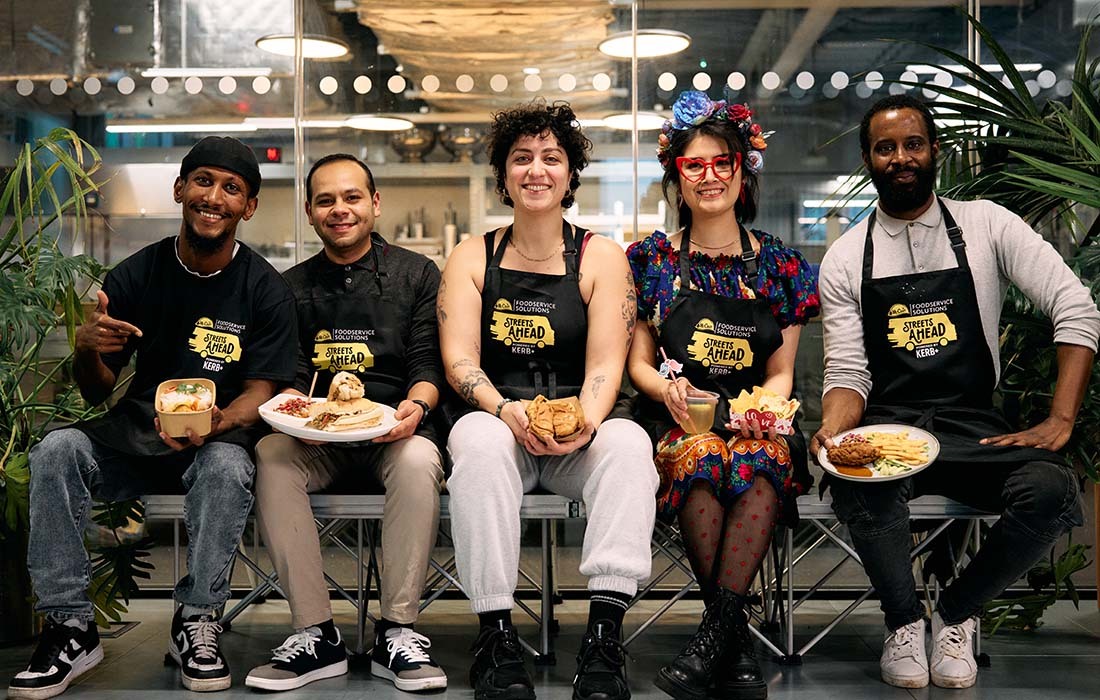
McCain Foodservice Solutions brings together operators and suppliers through the Streets Ahead Programme, powered by KERB
Hospitality has always thrived on collaboration. Suppliers and operators work side by side, shaping menus, sharing insight and responding to changing consumer demands.
As the sector looks ahead, how can we take that collaboration further – not just supporting businesses today, but strengthening the next generation of operators.
For McCain Foodservice Solutions, that question led to the creation of the Streets Ahead Programme, powered by KERB.
Through Streets Ahead, that ambition has taken shape as structured, long-term investment – combining funding, mentorship and real-world trading support for early-stage street food entrepreneurs.
Last month marked the programme’s sixth Panel Day, where five emerging food businesses each secured the full £10,000 investment available from McCain. To date, more than £345,000 has been invested directly into 45 new food businesses.
Yet the financial figure tells only part of the story.
Building more than visibility
Traditional sponsorship often centres around logo presence and short-term engagement. Structured investment demands more: clear criteria, operational development and accountability.
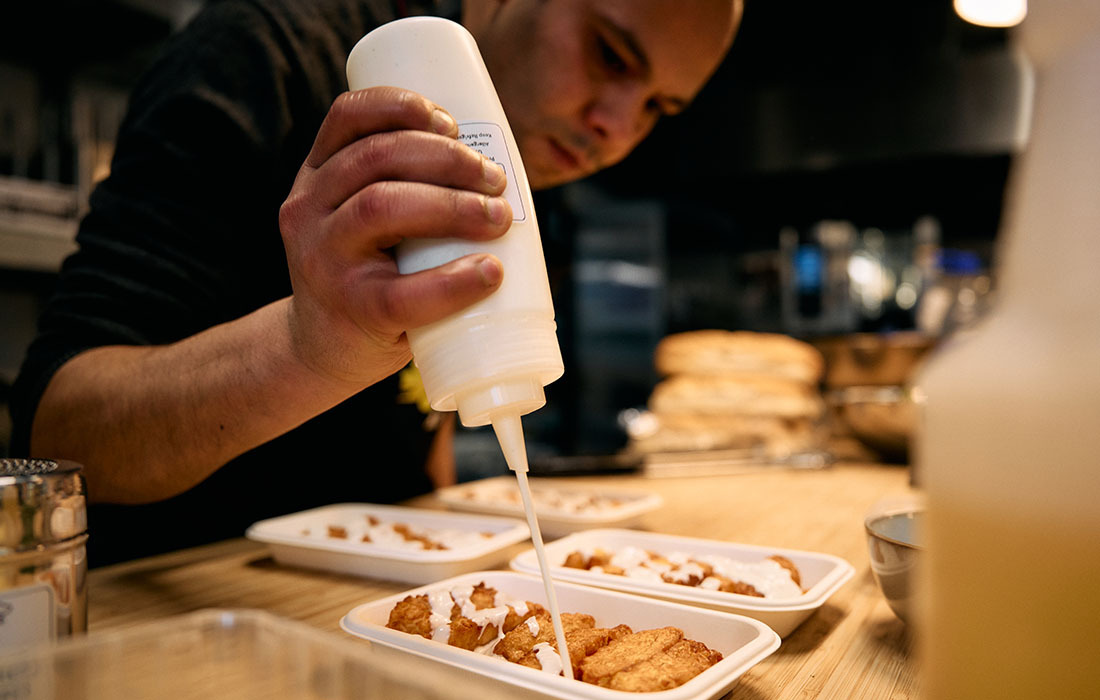
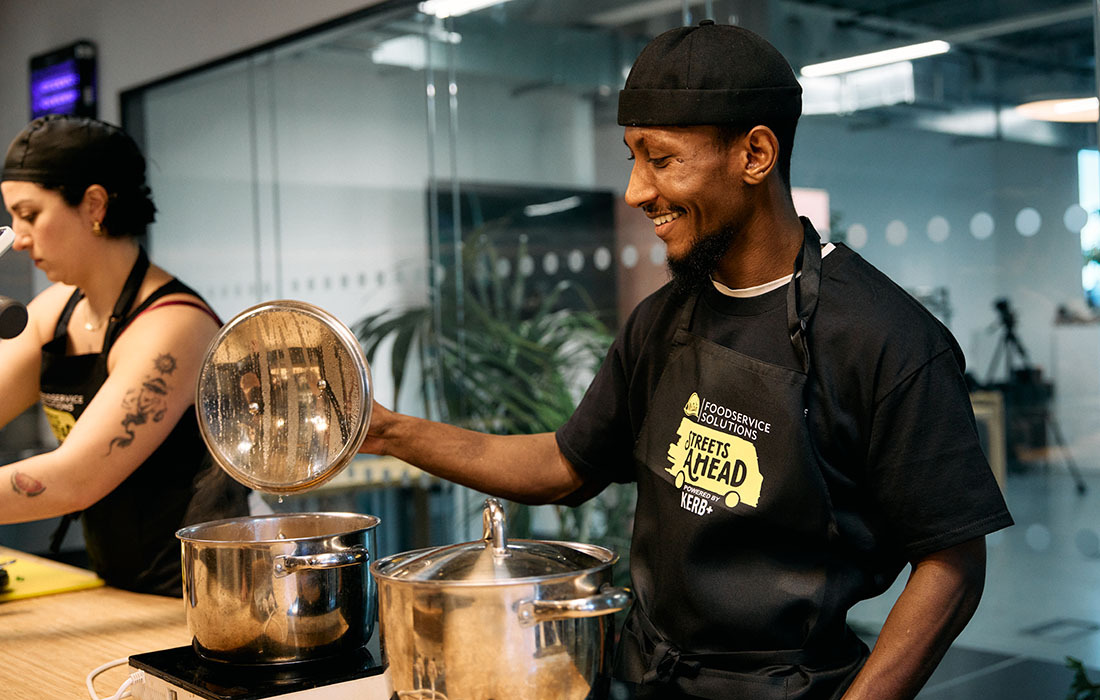
Participants in Streets Ahead are assessed on commercial viability, distinctiveness, financial planning and execution – not simply creativity. Panel Day requires founders to present their business case and cook their hero dish for an industry judging panel, including representatives from McCain, KERB and established operators.
Lucy Smith, assistant brand manager at McCain Foodservice Solutions, says the intention was always to create something tangible.
“We didn’t want this to be a one-off initiative,” she says. “If you’re going to back future operators, it has to go beyond visibility. It has to provide funding, structure and a route into real trading.”
That structure includes KERB-led coaching, food development sessions with McCain’s culinary team and, more recently, the introduction of InKERBator – an eight-week programme giving successful participants live trading experience at KERB’s Cowcross Yards in Farringdon.
Bridging the gap between investment and sustainable trading
Street food is widely recognised as a creative testbed for trends and new formats. It is also one of the most challenging sectors in which to survive.
Margins are tight. Weather is unpredictable. Ingredient costs fluctuate. Many promising concepts fail not because the food lacks quality, but because operational foundations are fragile.
Simon Mitchell, CEO of KERB, describes resilience as critical: “You need grit. You need commercial clarity. Creativity alone isn’t enough.”
By pairing funding with structured development and market exposure, the programme seeks to reduce that failure risk - transforming raw talent into commercially grounded operators.
For established hospitality groups watching emerging trends, this also creates early visibility into concepts that may influence future menus.
Mark Broomhall, divisional food development manager at Mitchells & Butlers, joined the most recent Panel Day as a guest judge.
“What impressed me most was the standard,” he says. “The quality of the food and the preparation show that the process is working. With KERB’s support and McCain’s investment behind it, there’s a real foundation being built.”
A model for broader industry collaboration?
Supplier investment in early-stage operators is still evolving across the sector. As hospitality looks to strengthen diversity, access and innovation, initiatives like Streets Ahead demonstrate how suppliers and operators can work together in more structured ways to support the next generation of operators.
For McCain, this is part of a wider responsibility. As a long-standing leader in foodservice, the business recognises that strengthening hospitality means backing people as well as products – helping create opportunity and give promising operators a clearer route into trading.
“Street food is the grassroots of hospitality,” says Smith. “The trends often start there. If we want a strong, diverse and resilient industry five or ten years from now, we have to invest in it today.”
The hospitality ecosystem depends on fresh ideas and new operators. Structured support can help lower barriers to entry, particularly for those without capital or established industry networks, ensuring talent is not lost before it reaches the market.
Through Streets Ahead, McCain is demonstrating how supplier leadership can extend beyond products – supporting the long-term sustainability of hospitality through funding, development and read trading opportunities.







More from The Caterer
Most Popular



The Caterer People Summit 2026
 Thu May 14, 2026
 The Line, London
The Acorn Awards 2026
Sun Jun 7, 2026
The Cateys 2026
Tue Jul 7, 2026
Natural & Organic Food Show
Wed Sep 16, 2026ExCel London


The Caterer provides trusted hospitality news, analysis and trends for restaurants, hotels and catering professionals.

Jacobs Media is a company registered in England and Wales, company number 08713328. 3rd Floor, 52 Grosvenor Gardens, London SW1W 0AU.
© 2026 Jacobs Media
