

 Menu
Menu


How to scale up your sustainable fish and seafood menu

With a host of sustainable alternatives to traditional fish and seafood species, any excuses are a load of pollock
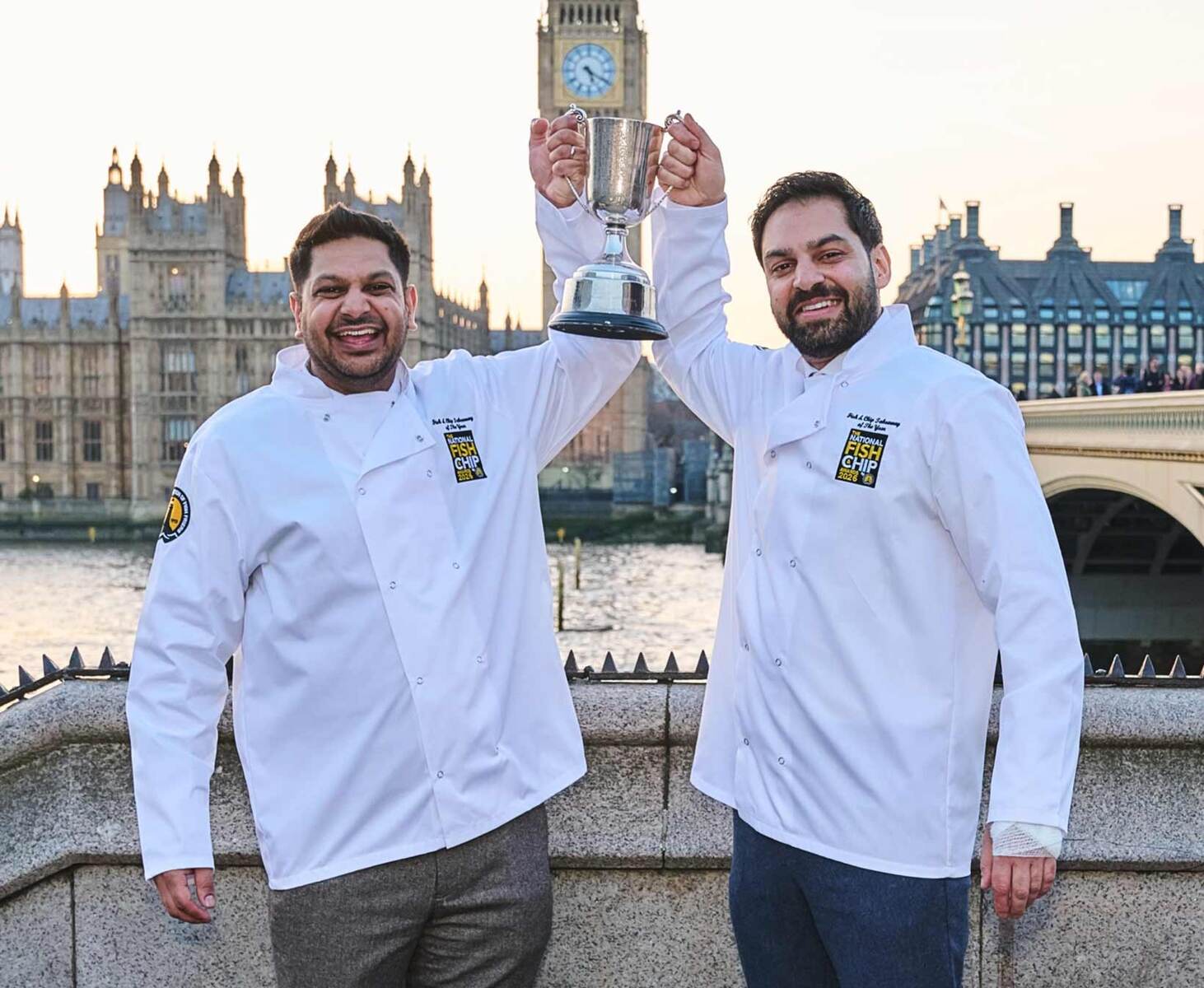
The Scrap Box, a fish and chip restaurant just outside York, may be the only chippie based in a former toilet block, but it’s not unique when it comes to the type of fish it serves.
The name is a reference to the northern tradition of serving scraps (batter remnants) with a fish supper, and all of the fish it serves is MSC eco-label certified, meaning it comes from a sustainable source: haddock, cod, coley (or saithe): you name it, if it’s served there it’s sustainable. This is a reflection of owners Aman and Gavin Dhesi’s passion for sustainability.
British consumers are increasingly interested in sustainability when it comes to fish and seafood. The Marine Stewardship Council annual report, released in January, showed that British consumers spent £1.7b on 189,000 tonnes of MSC-certified fish and seafood products in 2024-2025, a 14% rise from 2023-2024. A recent study from the University of East Anglia, suggests there is a growing willingness among UK consumers to try alternative species, with a quarter saying they would embrace ‘new’ options.
What was nice to have a few years ago is now increasingly essential for operators offering fish and seafood on their menus. So how can the hospitality industry keep up with demand for sustainable products while not frightening off increasingly cash-strapped customers?
Saithe my name
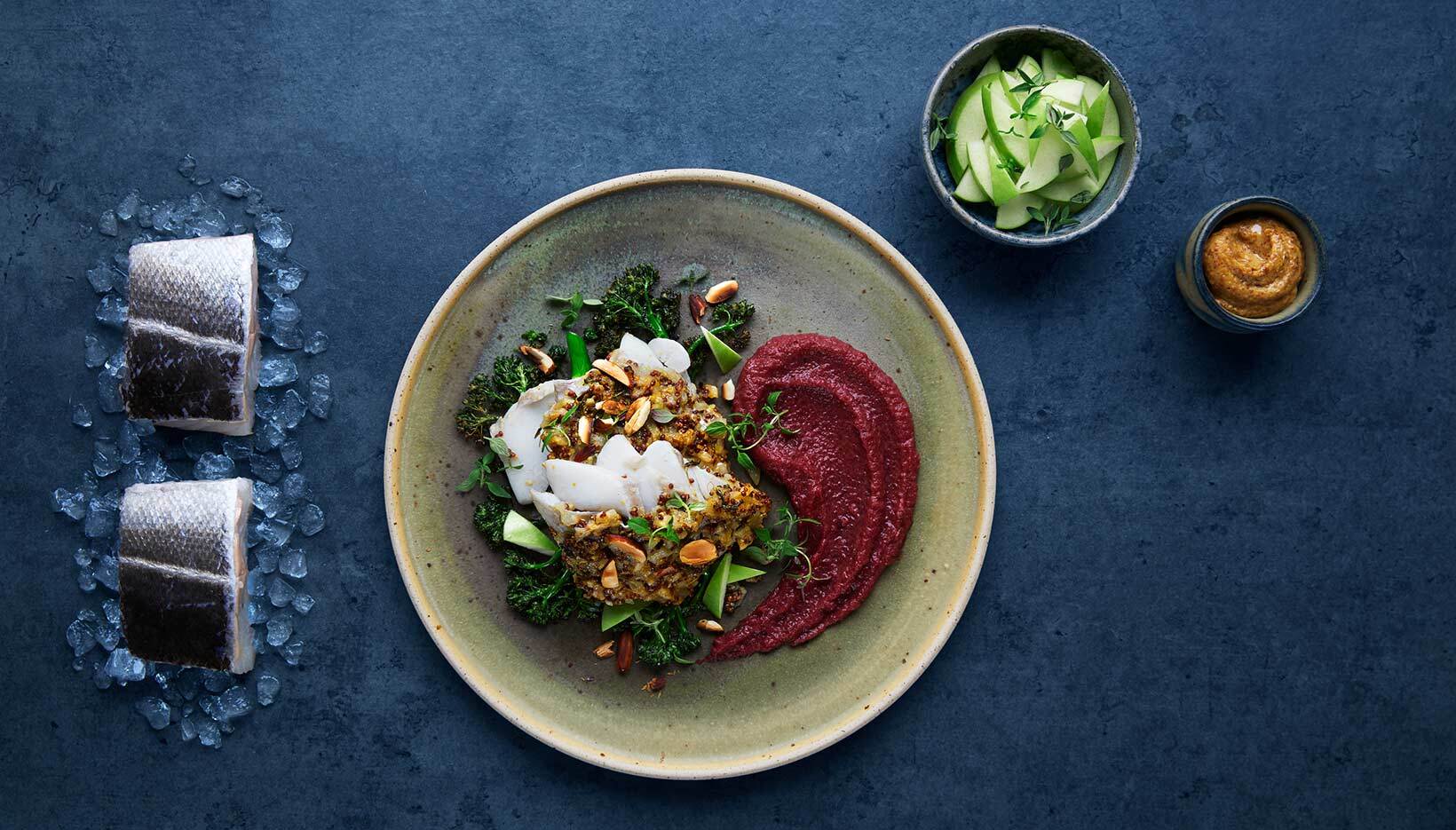
When Michel Roux spoke at a recent Seafood From Norway roundtable, he pointed out the importance of storytelling and perception in driving uptake, noting that “naming, provenance and presentation can all shape how diners respond to unfamiliar fish”. This philosophy may be behind the renaming of plain coley as romantic saithe – although the Norwegian Seafood Council (NSC) insists it has much more going for it than that.
Not least, the price issue: nearly half of UK consumers cite expense as the reason they choose not to eat seafood, the NSC says. Which is where Norwegian saithe – a member of the cod family with a firm texture and clean flavour – comes in. It offers a comparable taste to cod, but at a more accessible price point, says Bjørn-Erik Stabell, UK director for Seafood from Norway, and also meets demand for nutritious, protein-rich food, particularly among younger consumers.
“With a comparatively high protein content, saithe aligns well with evolving dietary priorities, while its versatility across cooking methods makes it a practical and flexible option for foodservice menus,” he says. “However, Norwegian saithe’s credentials extend beyond cost and versatility. Sourced from healthy Barents Sea stocks under Norway’s science-led fisheries management model, it offers sustainable, responsible sourcing.” No surprise, perhaps, that it’s on the menu at the Scrap Box.
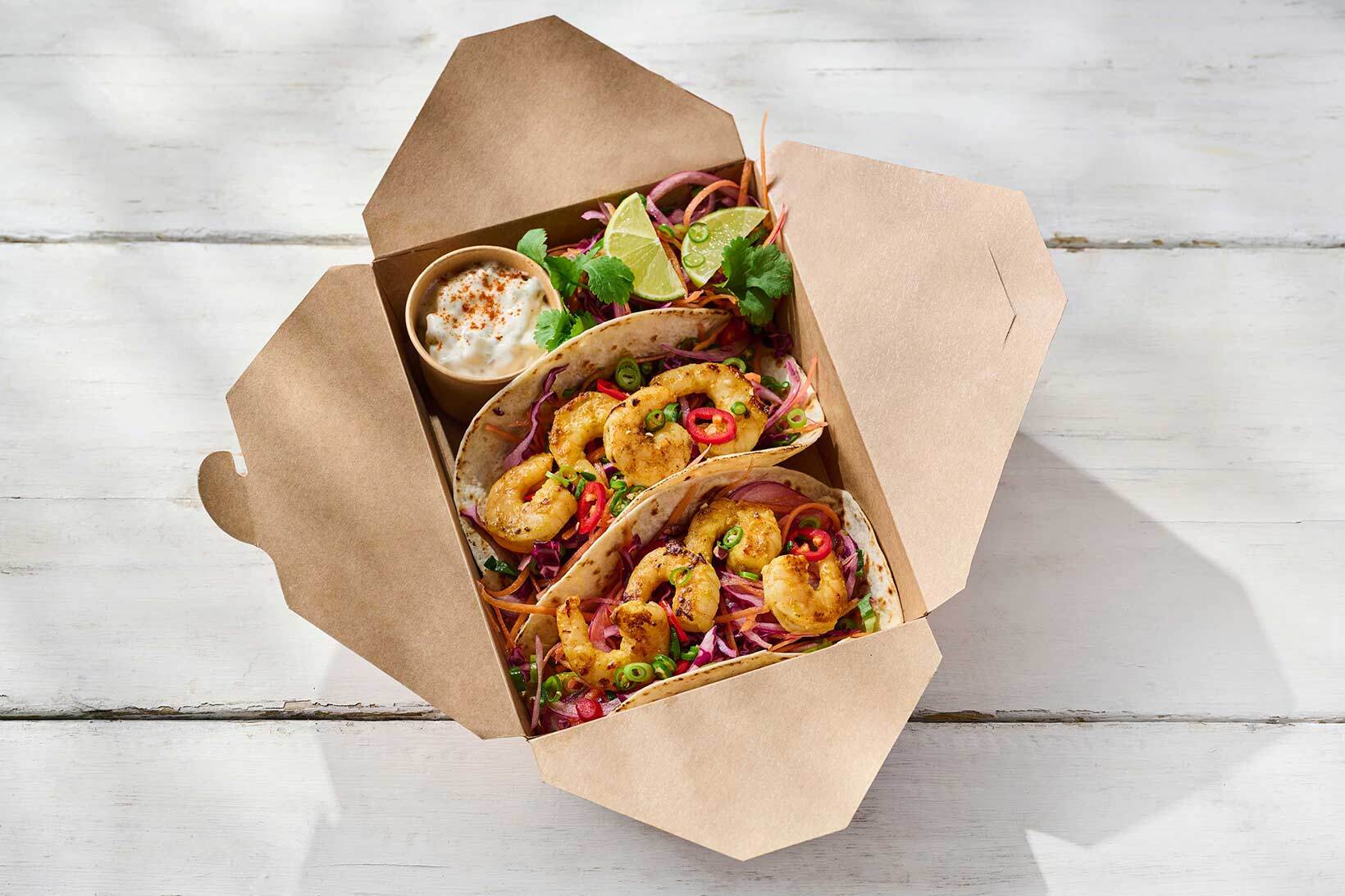
It’s not the only fish attempting to edge the classics off the fish and chip menu, of course. Pollock – another cousin of cod and haddock – is rather better established in the UK market, and remains a solid option for those keen to balance flavour, sustainability and price.
“Fish and chips is a must-have on menus, and Booker’s Blue Horizon pollock fillet served with Chef’s Premium triple cooked chunky chips, peas or salad, makes a generous – and profitable – portion,” says Leigh Baker, Booker’s customer proposition director for catering.
“Characterised by its versatility, pollock is also a great addition to a Thai red fish curry for those looking for faraway flavours – with fragrant spices, chillies, coconut milk, fresh vegetables and the right styling, this dish makes a hearty, warming, visually-appealing menu addition all year round.”
Roe is go
Some operators may be happy to be even more open-minded – in which case, 555 Amanda has a few ideas. Gavin McLean, UK general manager, says that hospitality should focus on “alternative formats and species that deliver strong seafood flavour with better cost control”.
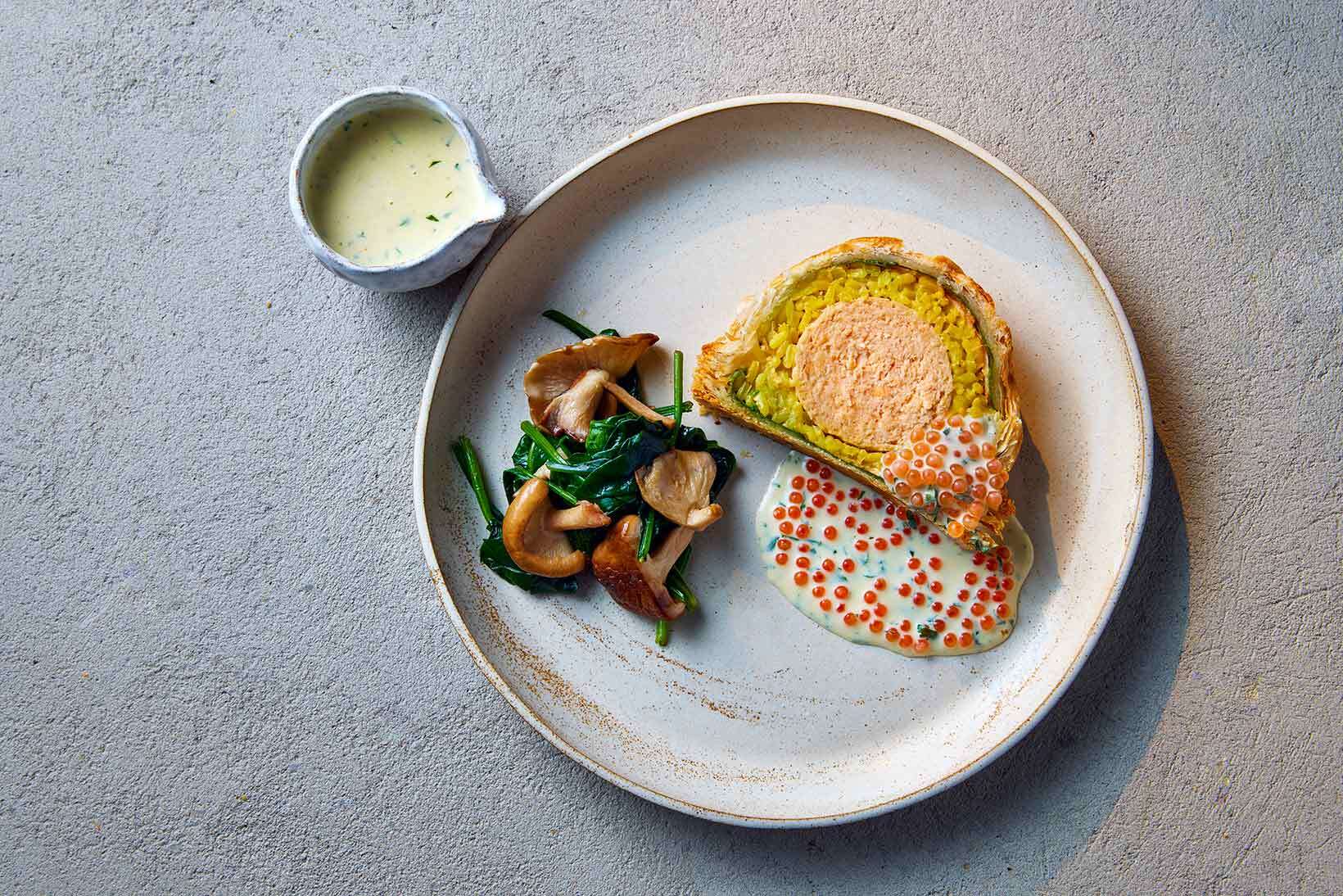
One such format is roe, or fish eggs. “Products like roe allow operators to give customers that familiar ‘fish’ experience while working with a lower and more predictable cost per portion,” he says. “It’s high in protein, rich in omega-3, a source of vitamin D and low in fat, while remaining incredibly versatile across multiple menu formats, from bites and fritters to burgers and small plates.
“Because roe can be portioned easily, it gives chefs far more control over margins. That’s especially important in the current climate, where even small fluctuations in seafood pricing can have a big impact on profitability.”
He also suggests that operators consider “value-added seafood products” that reduce labour and preparation time. “Ambient formats, such as lobster bisque, make it possible for operators to introduce premium flavours without the cost, waste or complexity associated with fresh shellfish,” he says. “Using a product like lobster bisque as a starter, sauce or limited-time special allows operators to elevate their menus while keeping operations simple.”
Shop around
Perhaps, too, it’s possible to have the high-quality products you’re used to without allowing prices to grow and grow. Roberto Lopez, head of purchasing for Mevalco, a specialist in Spanish ingredients, certainly thinks so.
“One of the most effective tools available to suppliers and operators alike is forward planning combined with volume commitment,” he says. “When customers are able to share forecasts and commit to future purchasing in advance, it allows sourcing to be planned over a longer time horizon.
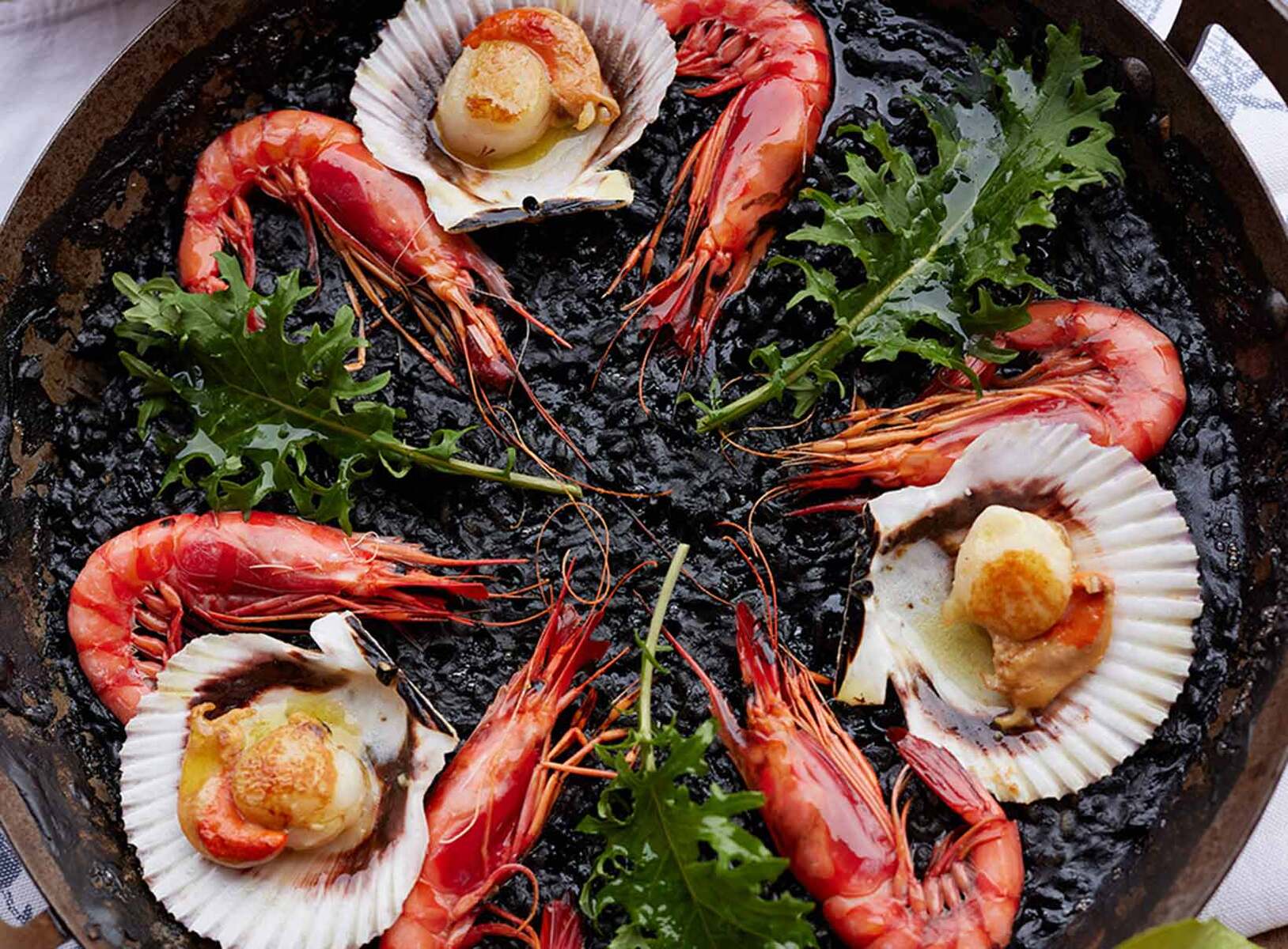
“At Mevalco, this model is already successfully in place for products such as South American red shrimp (gambón Argentino), where anticipation and scale make a tangible difference.”
Then there’s the carabinero prawn. “Traditionally sourced from the south Mediterranean and widely regarded as a luxury product, carabineros of comparable quality are also available from other fishing areas such as the Atlantic,” he says. “By shifting sourcing, we have been able to maintain continuity of supply, protect quality and deliver more competitive pricing.”
The carabinero prawn is just one sea creature where sustainability is beginning to have an impact – but it’s clear, Lopez believes, that smart operators will still be able to offer their customers quality while taking into account sustainability and price. “In a challenging seafood market, the most successful operators will be those who work closely with knowledgeable suppliers – sharing information, planning ahead and remaining open to smart alternatives.”
Suppliers
Photo: Cultura Creative/Shutterstock




More from The Caterer

Most Popular




The Caterer People Summit 2026
 Thu May 14, 2026
 The Line, London
The Acorn Awards 2026
Sun Jun 7, 2026
The Cateys 2026
Tue Jul 7, 2026
Natural & Organic Food Show
Wed Sep 16, 2026ExCel London


The Caterer provides trusted hospitality news, analysis and trends for restaurants, hotels and catering professionals.

Jacobs Media is a company registered in England and Wales, company number 08713328. 3rd Floor, 52 Grosvenor Gardens, London SW1W 0AU.
© 2026 Jacobs Media
