



 Menu
Menu


Surging costs and ‘maximum unpredictability’: The Iran war’s impact on hospitality
The conflict in Iran will be felt by hospitality operators in a myriad of ways, ranging from delays in food supplies to the cost of heating
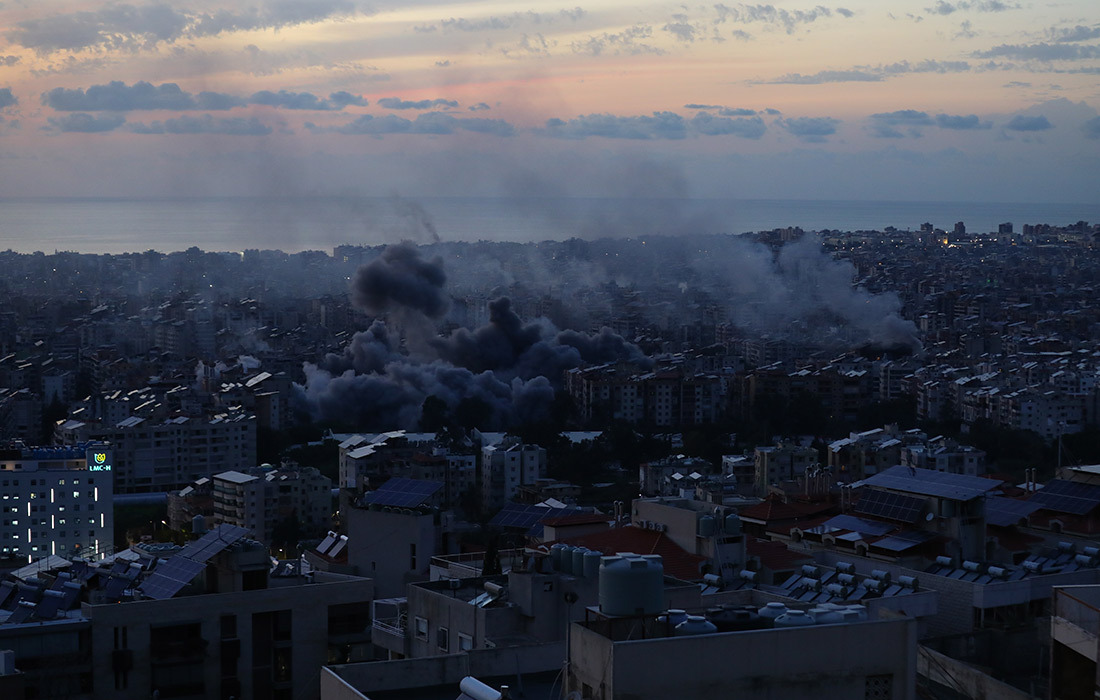
At the start of 2026 there were some green shoots of recovery for hospitality. Consumer confidence was edging up, interest rates were forecast to decline throughout the year and a summer of sport spelt a likely surge in tourism and hospitality spending by customers across the UK.
But in recent weeks escalating conflict in Iran, spearheaded by US president Donald Trump and Israeli prime minister Benjamin Netanyahu, along with its knock-on effects on global trade and oil costs, have thrown all of these factors into strain and uncertainty.
As foodservice firm WSH’s procurement and supply chain director Andy Milner said: “Escalation in the Middle East is adding further pressure to global energy markets and supply chains, creating the potential for longer-term, more persistent inflation for the UK hospitality sector at a time when the rate of inflation was expected to decrease.”
UKHospitality chair Kate Nicholls echoed this view and added that the situation is “incredibly unpredictable, so very hard to assess” for operators across the industry.
Against this backdrop, what impacts are hospitality firms seeing and expecting, and how are they preparing for whatever may come next?

Food supply and costs
Iran’s near total blockade of the Strait of Hormuz has brought shipping to a near standstill in the region. This has put historically unprecedented pressure on global oil supply, with shipping costs spiking 144% in recent days.
The effects of this supply constraint will be far reaching – but Bloomberg Intelligence’s consumer staples senior analyst Duncan Fox said the impact of this will be felt in the cost of fresh fruit and vegetable supply “almost immediately”. He said that around a third of the UK’s fresh fruit and vegetable supply is produced in greenhouses, with energy accounting for a quarter of overall production costs.
Nicholls said the longer-term impact of the strait’s closure could be “a wide range of goods having to go the long way round to get to the UK, which will add in more inflationary pressure” – a concern echoed by Fox, who said freight prices were “surging daily”.
Prestige Purchasing chief executive Shaun Allen said: “Operators should prepare for substantial price volatility in logistics, packaging and imported ingredients – particularly those from regions such as Italy or Germany – that maintain a heavy reliance on gas imports.”
Against this backdrop, reducing exposure to international exports is one lever UK operators can pull to reduce cost volatility.
Milner said surging energy costs present “an opportunity for us to further strengthen our commitment to seasonal British produce and regenerative farming”, while Bidfood’s supply chain and technical services director Jim Gouldie said the wholesaler’s “limited” exposure to Middle East goods meant it is currently “not experiencing any shortages or confirmed supply disruptions across our core food and drink categories”.
Allen recommended that “operators engage with their suppliers and explore UK or local sourcing where feasible, to mitigate international freight delays and currency volatility.
“Proactive strategies, including price fixing for at-risk items, consolidating deliveries and involving suppliers directly in menu development, are now essential to protect margins against the rising tide of logistics and raw material costs,” he said.

Oil and energy costs
JD Wetherspoon chief executive Tim Martin has told The Caterer that “when oil prices rise, shop and pub prices go up and everyone is poorer. The result is that prices across the board are likely to rise due to international conflict.”
Nicholls said many hospitality operators “could face steep increases to their energy packages” when contract renewals come up at the end of the quarter, and urges operators to “talk to energy suppliers sooner rather than later to have their exposure hedged and minimised where possible”.
But some hospitality firms are feeling the impact of surging oil prices more immediately and acutely – namely rural operators who are off-grid. Nicholls said the industry body is hearing from its rural members that heating oil prices have as much as quadrupled since the beginning of the Iran war, which leaves “anyone off grid particularly exposed”.
While government officials have come down hard in recent weeks on supermarkets and petrol stations profiteering at the pumps, businesses facing similar price gouging across their business operations are not offered the same protections.
Anne MacDonald is the owner of the Old Manse of Blair in Scotland’s Cairngorms national park. The business burns 60,000 litres of kerosene per year as an unavoidable “reality of being off-grid”. She told The Caterer her business and other like hers are “expected to absorb relentless cost increases with little recognition of the structural disadvantage rural operators face”.
She added: “If energy prices continue on this trajectory, some rural operators, particularly those responsible for large historic buildings, will simply become unviable.”
Managing director of Scotland’s Highland Coast Hotels Kenny McMillan said a number of his outposts rely on oil for heating and “have already seen a significant uplift in prices during March”.
“As a rural business supporting year-round employment and local supply chains, we would welcome targeted and ongoing government support should energy costs continue to rise, particularly measures that recognise the unique challenges faced by hospitality operators in remote locations.”
MacDonald agreed with this sentiment: “Rural operators don’t need more discussion-we need swift action, tangible results, and we need them without delay. Without targeted intervention, this isn’t just about rising costs – it’s about the long-term survival of rural businesses.”


Consumer confidence
Rising global tensions pushing up interest rates are expected to kibosh consumer confidence, which had shown glimmers of recovery in recent months and were previously expected to continue improving across 2026.
“This is really not good timing for another batch of inflation,” said Fox, who added that the negative press around the impact of the Iran war will be “another nail in the coffin” for consumer confidence, even before people see prices rise.
Travel concerns could also have a knock-on effect on international tourism in the months to come – but could spell an uplift in domestic tourism for UK holidaymakers this summer.
Against this backdrop, Nicholls reiterated UKHospitality’s call for the government to roll back its holiday tax, which could costs tourists up to £518m on UK hotel stays this year. “It is the wrong tax at the wrong time and sends all the wrong signals to hospitality – and the government could help the sector by ruling it out now,” she said.
Similarly, Nicholls added that the government “needs to be cognisant of any additional costs or regulatory burdens” on the hospitality industry – from individual levies to broader business rate and VAT charges.
Photo: Elie1993/Shutterstock





More from The Caterer
Most Popular




The Caterer People Summit 2026
 Thu May 14, 2026
 The Line, London
The Acorn Awards 2026
Sun Jun 7, 2026
The Cateys 2026
Tue Jul 7, 2026
Natural & Organic Food Show
Wed Sep 16, 2026ExCel London


The Caterer provides trusted hospitality news, analysis and trends for restaurants, hotels and catering professionals.

Jacobs Media is a company registered in England and Wales, company number 08713328. 3rd Floor, 52 Grosvenor Gardens, London SW1W 0AU.
© 2026 Jacobs Media
