



 Menu
Menu


Levy reduces emissions associated with beef burgers by over 70%
In its inaugural Climate Impact Report Levy said reformulation of the fan staple has significantly cut carbon emissions
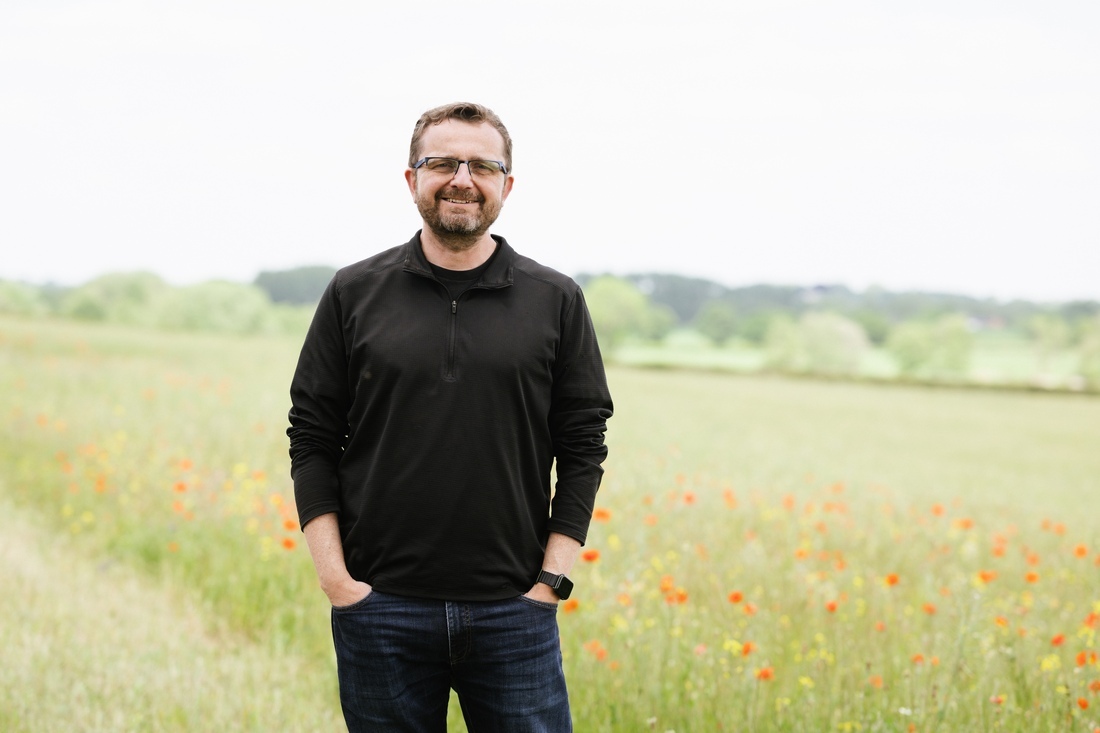
Sports and entertainment venue operator Levy has published its inaugural Climate Impact Report that reveals it has reduced emissions associated with beef burgers by 71.5%.
The caterer, part of Compass Group, operates venues such as Tottenham Hotspur, Villa, and the O2 Arena. It has been experimenting with a variety of formulations to ensure fans retain the same experience but with a reduction in environmental impact.
A 71.5% reduction in beef burger emissions between 2019 and 2024 was achieved by devising a half beef, half mushroom burger that could be served across its 60+ sports stadia and entertainment venues.
Levy is now planning to cut emissions further by shifting to wild venison as a sustainable red meat alternative and is looking at ways to reduce emissions from wines, beers and spirits.
Meanwhile, the report, Serving the Future: Our Journey to Sustainable Hospitality, reveals that Levy has saved considerable amounts of CO₂e by using consumables such as Notpla’s seaweed-based packaging and flour from Wildfarmed.
In the last six years it has also reducing red meat on its menus, shifted to plant-based desserts, prioritised British produce from sustainable and regenerative suppliers and rolled out a sustainability education programme for its teams.
Levy chief executive Jon Davies said: “Our first climate impact report is a celebration of what’s possible when sustainability becomes a part of every Levy team member’s muscle memory.
“We have set out to be leaders in sustainability in the hospitality industry and we are committed to continuing our trailblazing efforts. Our latest chapter shows that we can deliver both sustainability and business success at scale. And, as the report states: we really are just getting started.”
Kevin Watson, Levy Sustainability Director added: “I am hugely proud of how we’ve embedded best practice into every corner of our business, from carbon labelling with Foodsteps to incentivising sustainable procurement.
“This is about changing how our whole business thinks and works. We will be judged by our actions. We have done a lot, we are delighted with the results, and we are now doubling down on our efforts for people and planet.”
Related content


More from The Caterer
Most Popular



The Caterer People Summit 2026
 Thu May 14, 2026
 The Line, London
The Acorn Awards 2026
Sun Jun 7, 2026
The Cateys 2026
Tue Jul 7, 2026
Natural & Organic Food Show
Wed Sep 16, 2026ExCel London


The Caterer provides trusted hospitality news, analysis and trends for restaurants, hotels and catering professionals.

Jacobs Media is a company registered in England and Wales, company number 08713328. 3rd Floor, 52 Grosvenor Gardens, London SW1W 0AU.
© 2026 Jacobs Media
